Tata Avinya - Reviews, Specs, Price in India
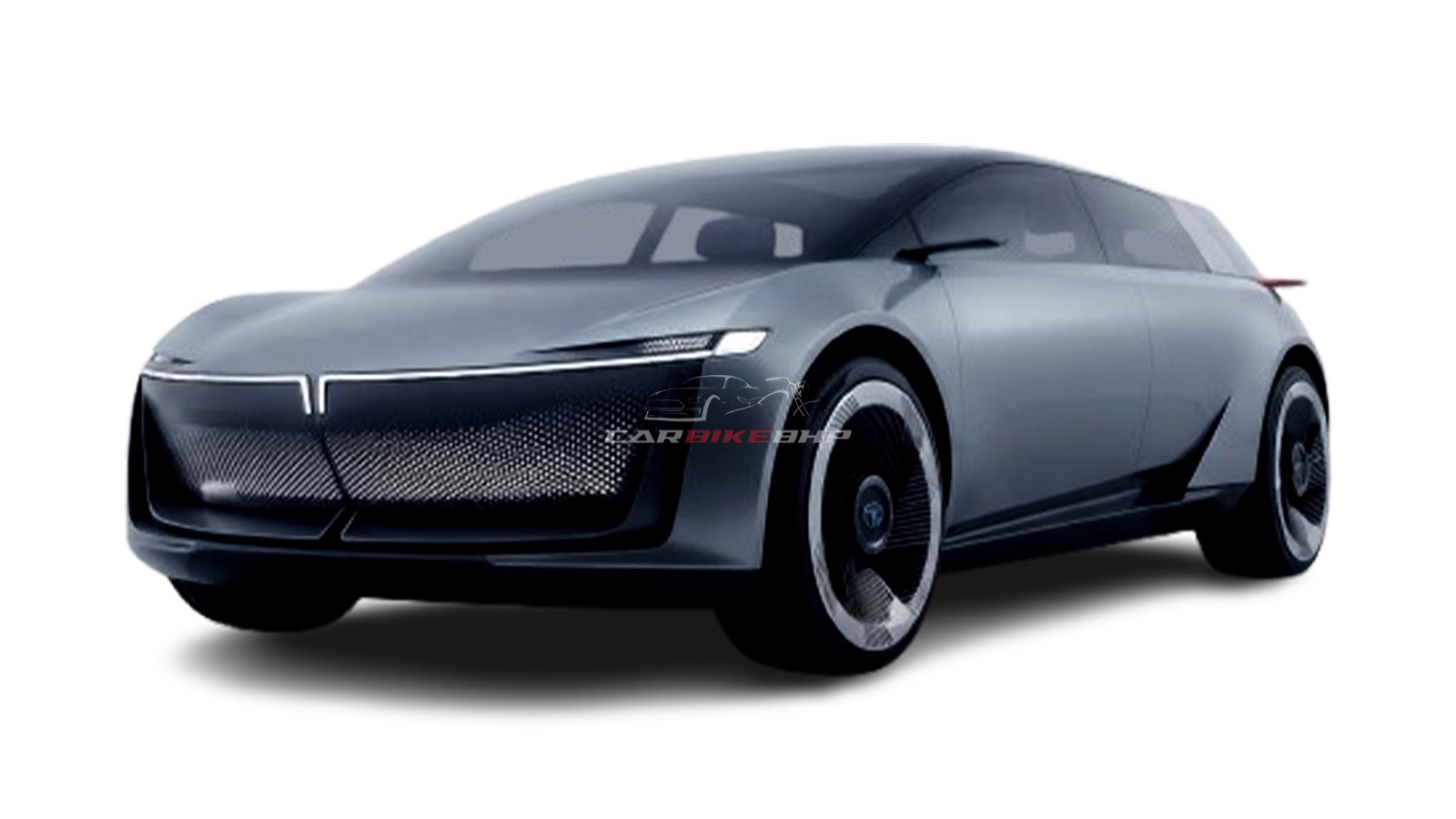
Tata Avinya is the electric luxury car of the future made by Tata Motors. The Tata Avinya car is designed for customers who need a luxury electric car with a futuristic design. The car is based on Tata's new Gen 3 electric platform.
The Avinya was first shown as a concept in 2022. Tata later showed the Avinya X concept with an SUV-style design. The first production model is expected to have a sportback body and is expected to arrive in India in 2026. Many of its final specifications are still not confirmed.
Tata Avinya Price in India
The Tata Avinya is expected to be priced between Rs. 30 lakh and Rs. 60 lakh, ex-showroom. The cost depends on the battery capacity, engine, model, and specifications.
Tata has not made any official announcement regarding the final price yet. The vehicle that will be manufactured is likely to position itself higher than Tata's other electric vehicles.
Tata Avinya Main Highlights
-
Premium electric car
-
New Gen 3 EV platform
-
Sportback-style body
-
Expected 5-seat cabin
-
Expected range of more than 500 km
-
Fast charging support
-
RWD and AWD options expected
-
Large glass roof
-
Modern and spacious cabin
-
Sustainable interior materials
-
Advanced technology
-
Connected car features
-
ADAS expected
-
Separate premium sales experience
Tata Avinya Specifications
|
Specification
|
Details
|
|
Vehicle Type
|
Electric Car
|
|
Platform
|
Gen 3 EV Platform
|
|
Body Style
|
Sportback
|
|
Seating Capacity
|
Expected 5
|
|
Battery
|
Expected large battery pack
|
|
Expected Range
|
500 km+ claimed
|
|
Drive Type
|
RWD / AWD
|
|
Motor
|
Single / Dual Motor expected
|
|
Transmission
|
Automatic
|
|
Charging
|
Ultra-fast DC charging expected
|
|
Launch
|
Expected 2026
|
|
Price
|
Estimated at Rs. 30-60 Lakh
|
The Tata Avinya is an electric vehicle that has a spacious wheelbase and can accommodate five passengers. The new model's unique platform is developed specifically for premium electric cars.
Why Should You Consider Buying a Tata Avinya?
The Tata Avinya is developed for customers looking for an alternative premium electric car. A spacious cabin, flat floor, latest tech solutions, and electric drivetrain are among the most important features of the new car.
The vehicle will also feature a long driving range and fast-charging capabilities. Moreover, there is a possibility that Tata will develop the all-wheel-drive model with two electric motors. Still, all the detailed information about the new car will be available once it is launched.
Tata Avinya Engine and Performance
The Tata Avinya is going to be an all-electric automobile, which means that the vehicle is not going to have either petrol- or diesel-powered engines in it. Instead, the vehicle will make use of an electric motor or motors.
The vehicle is expected to have an automatic transmission system installed in it to help with the driving experience. There has been no information provided on what power and torque the vehicle is expected to have.
Single-Motor RWD Version
The lower models of the Avinya will likely make use of a single electric engine with rear-wheel drive.
This could ensure smooth operation and efficient driving conditions. This also helps to ensure that the cost stays low compared to the dual-engine model.
Dual-Motor AWD Version
The high-end models of the Avinya will be equipped with two engines with all-wheel drive.
One motor may drive the front wheels, whereas another may drive the rear wheels. This combination could result in greater efficiency and traction.
Tata Avinya Automatic Gearbox
Avinya will be using an electric powertrain; hence, it will not have a regular gearbox like that of a petrol or diesel vehicle. Its transmission mechanism will be simpler compared to other transmissions.
This makes driving the vehicle very easy, particularly within the city environment. The driver just needs to engage the driving mode and accelerate.
Tata Avinya Driving Experience
Avinya is expected to have a smooth and quiet ride. The electric motor provides an instant supply of power without the usual noise that accompanies petrol or diesel engines.
The battery of the car is to be fitted under the car floor, and it helps in maintaining stability while on the move. The actual riding experience will become evident once the production model is launched in India.
Tata Avinya City Driving
It is expected that the Avinya will be an easy car to drive in urban areas thanks to its electric drivetrain and automatic transmission system.
This model will also get technology and camera systems that can be helpful while parking or driving in general. But because of its big dimensions, some caution should be taken when driving on city streets.
Tata Avinya Highway Driving
The Avinya is expected to be suitable for highway driving. Its large battery and expected long range can make it useful for long trips. The electric motor must also deliver smooth acceleration when required.
The AWD system may give improved traction on the road. But the actual range on the highway depends on speed, weather, traffic, road condition, and air conditioning.
Tata Avinya Ride and Handling
The ride quality of the Avinya is supposed to be comfortable for normal drives. The battery of the car is going to be installed at the bottom of the car body, which will help increase its stability
The spaciousness of the body and cabin is likely to add to the stability of the car. Tata has not revealed the final suspension setup yet, but it is expected to focus on a comfortable premium driving experience.
Tata Avinya Range
The Tata Avinya is expected to offer a range of more than 500 km under test conditions. The actual range may be different in daily driving. Factors like speed, traffic, weather, road conditions, tyre pressure, and air conditioner use can affect the range.
Tata has not yet disclosed information on the exact battery capacity and range of the vehicle. This information will probably come closer to the launch.
Tata Avinya Exterior Design
The Avinya is an electric car with a futuristic design that looks quite different from other models offered by Tata Motors. It has a sleek and modern body.
Avinya’s design has a pitched roof, glass in abundance, and a clean front façade. It also has full-width lighting at the front and rear. The production version may have some changes, but Tata is expected to keep many of the main design ideas from the concept.
Tata Avinya Front Design
The front of the Avinya has a clean and modern look. As an electric car, it does not need a large traditional grille. The concept gets a wide LED light design across the front.
The lower part of the bumper has a simple design that keeps the front look clean. The production model may have some changes, but it is expected to keep the main Avinya design identity.
Tata Avinya Side Design
The side profile of the Avinya looks long and smooth. Its sloping roof gives the car a sporty sportback-style shape.
The concept also gets flush door handles and large glass areas. The large wheels add to its premium look. The production model may have some changes to the wheels and other body details.
Tata Avinya Rear Design
The rear of the Avinya gets a clean and modern design with a full-width light setup. The sloping roof joins the rear section smoothly and gives the car a sporty look.
The rear bumper also has a simple design. The production version is expected to keep the main lighting style, but some changes may be made for production and safety rules.
Tata Avinya Interior and Cabin
The Avinya concept has a spacious and modern cabin. Tata has focused on making it feel more like a comfortable lounge than a normal car interior.
The flat floor can provide more space inside the cabin. The concept also showed premium materials and a large glass roof. The final production cabin may be different, but Tata is expected to keep the simple and premium design.
Tata Avinya Front Row
The front row is expected to offer good space for the driver and front passenger. The concept showed a clean dashboard with very few physical controls.
The steering wheel also had a unique two-spoke design with digital controls. The final production car may get a more practical dashboard and display setup.
Tata Avinya Second Row
The second row is expected to offer good space because of the dedicated electric platform. A flat floor will allow for additional space for people’s legs and help them move their feet around easily.
The huge glass window will provide an open feeling to the cabin. The final seat design and comfort features will be confirmed closer to the launch.
Tata Avinya Third Row
The Tata Avinya is expected to be a five-seater car, so it will not have a third row.
This means the cabin can focus on providing better space for five passengers. The expected layout should also leave useful room for luggage.
Tata Avinya Boot Space
The exact boot space of the Avinya has not been announced yet. Its sporty back body is expected to offer useful luggage space for everyday use.
The flat electric platform can also help Tata make better use of the space inside the car. The final boot capacity will be confirmed when the production car is launched.
Tata Avinya Features
The Avinya is expected to get many modern features for comfort and technology.
Some expected features include:
-
Large digital displays
-
Connected car technology
-
Premium audio system
-
Fast charging
-
Large glass roof
-
Automatic climate control
-
Wireless phone connectivity
-
360-degree camera
-
Advanced driver assistance features
-
Digital instrument display
-
Premium seats
-
Keyless entry
Feature availability will depend on the final variant.
Tata Avinya Infotainment and Technology
The Avinya concept has a clean and simple dashboard with a strong focus on digital technology. The production model is expected to get a large infotainment display and connected car features.
Software updates may also be part of the car's technology package. Tata has shown a unique steering wheel with digital controls, but the final infotainment system will be confirmed at launch.
Tata Avinya Comfort Features
The Avinya is expected to focus strongly on passenger comfort. The concept showed lounge-style seating, premium materials, a large glass roof, and a spacious cabin.
The car is also expected to get automatic climate control and connected features. Depending on the variant, it may also offer powered and ventilated seats, rear AC vents, wireless charging, and other comfort features.
Tata Avinya Safety Features
The Avinya is expected to get several modern safety features.
Important expected safety equipment includes:
The exact safety equipment and final safety rating will be known after the production model is launched and tested.
Tata Avinya Parking Features
Parking the Avinya should be easier with the expected camera and parking systems. These features can help the driver while parking in tight spaces.
Higher versions are expected to get a 360-degree camera that can show the area around the car. Parking sensors can also help the driver while parking. The final parking features will depend on the variant.
Tata Avinya Variants
The CarBikeBHP page currently lists two expected Avinya variants based on their drive setup:
-
RWD
-
AWD
The final variant names may change at launch. Different versions are expected to offer different motor, battery, range, and feature options.
Tata Avinya RWD
The RWD version is expected to use a single electric motor that sends power to the rear wheels.
It is expected to be offered as a lower- or mid-level version. This system can give good daily performance and keep the car simple compared to one with two electric motors.
Tata Avinya AWD
The all-wheel-drive system will have two motors, with each of them driving one set of wheels in the car. This can give the car more power and better grip.
It is expected to be offered as a higher variant with more performance and features.
Tata Avinya Colours
The final colour options for the Tata Avinya have not been announced yet. The concept was shown in premium colours.
Tata is expected to offer different colour choices in the production model. Colour options may vary by variant.
Tata Avinya Dimensions
The final dimensions of the production Avinya have not been announced.
The concept has a long and wide body with a low sportback design. The new electric platform is also designed to provide a spacious cabin.
Tata Avinya Space and Practicality
The Avinya is expected to seat five people. Its flat floor and electric platform can provide more usable space inside the cabin.
The large glass area can make the interior feel more open. The sportback design may offer useful luggage space, but the final boot capacity is not known yet.
Tata Avinya Pros and Cons
There are many expected advantages of the Avinya, but some details are still not confirmed.
Pros
Cons
-
Final specifications are not confirmed
-
The official price is not announced
-
Launch is still awaited
-
Real-world range is not known
-
Final features may differ from the concept
-
Charging time is not confirmed
-
The production version may look different from the concept
-
Higher variants are expected to be expensive
Tata Avinya Main Rivals
The Tata Avinya will compete in the premium electric car segment. Depending on its final price, it may be compared with the BYD Sealion 7, Mahindra XEV 9e, and BMW iX1.
The final rivals will depend on the production, Avinya's price, range, size, and features.
Tata Avinya vs BYD Sealion 7
The BYD Sealion 7 is a premium electric SUV with a long range and modern technology. The Avinya will have a different sportback design and is also expected to offer a premium cabin.
Both the vehicles will be competing for buyers who are seeking an upscale electric car. The final comparison will be done based on the pricing and features of Avinya once it launches.
Tata Avinya vs Mahindra XEV 9e
The next electric car being considered is the Mahindra XEV 9e, which is designed like a coupe and comes with a large cabin space.
Avinya is believed to come from the latest Gen 3 EV platform of Tata and is aimed at the luxury segment.
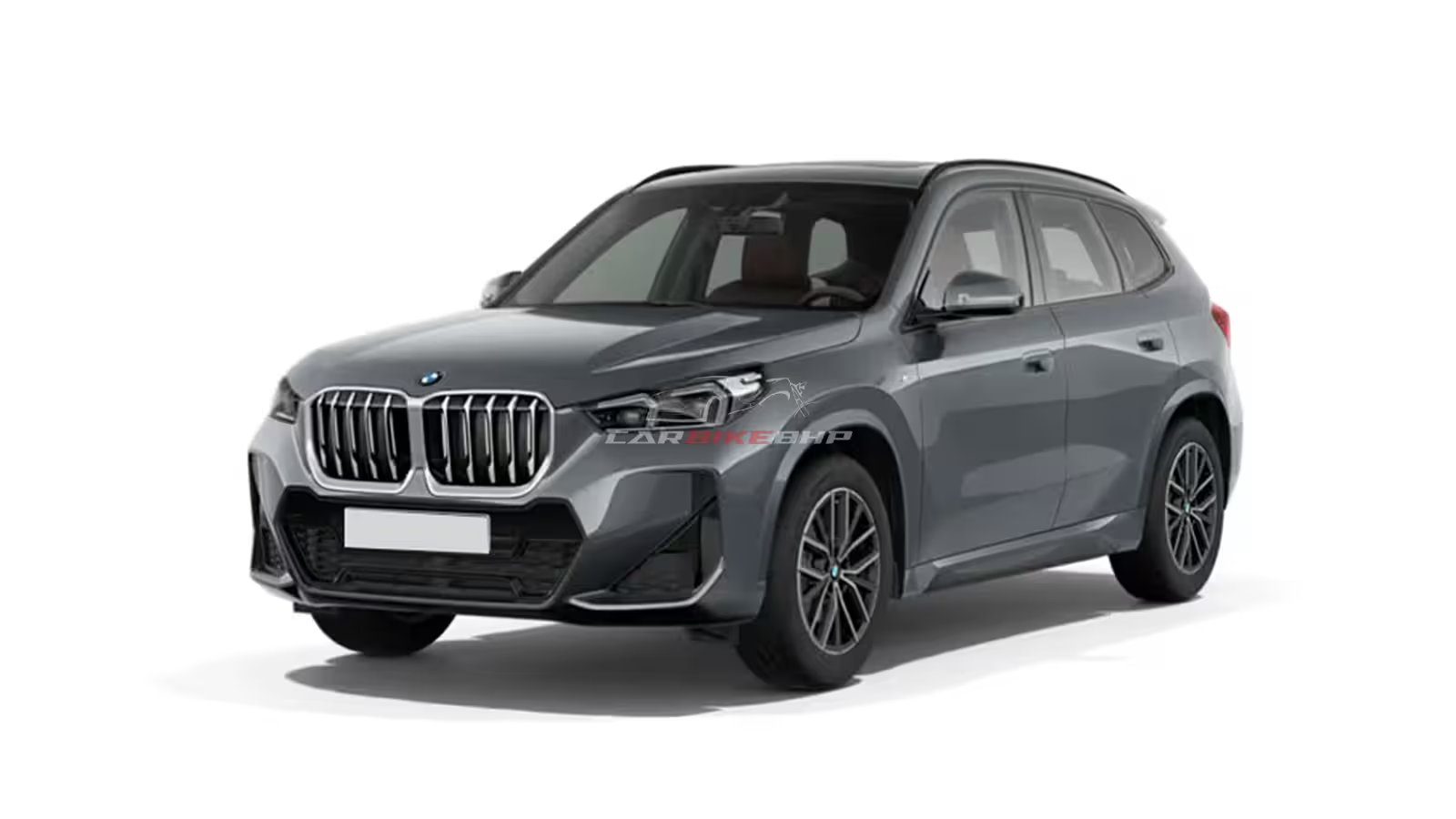
Tata Avinya vs BMW iX1
The BMW iX1 is a premium electric SUV from BMW. The Avinya is expected to offer a more premium cabin than Tata's current EVs.
The final price, performance, and features of the Avinya will decide how closely it competes with the BMW iX1.
Tata Avinya Maintenance and Ownership
The Tata Avinya will be an electric car, so it will have fewer moving parts than a petrol or diesel car. Regular maintenance will still be needed for tyres, brakes, suspension, air conditioning, and other parts.
Tata is also expected to sell the Avinya through a separate premium retail network. This may give owners a different buying and ownership experience from regular Tata cars.
Who Should Buy the Tata Avinya?
The Avinya could be ideal for buyers searching for:
The Avinya is designed for customers who need an upscale electric vehicle. Since its price and final specifications are not confirmed, buyers should check the production version before buying.
Also Read About
-
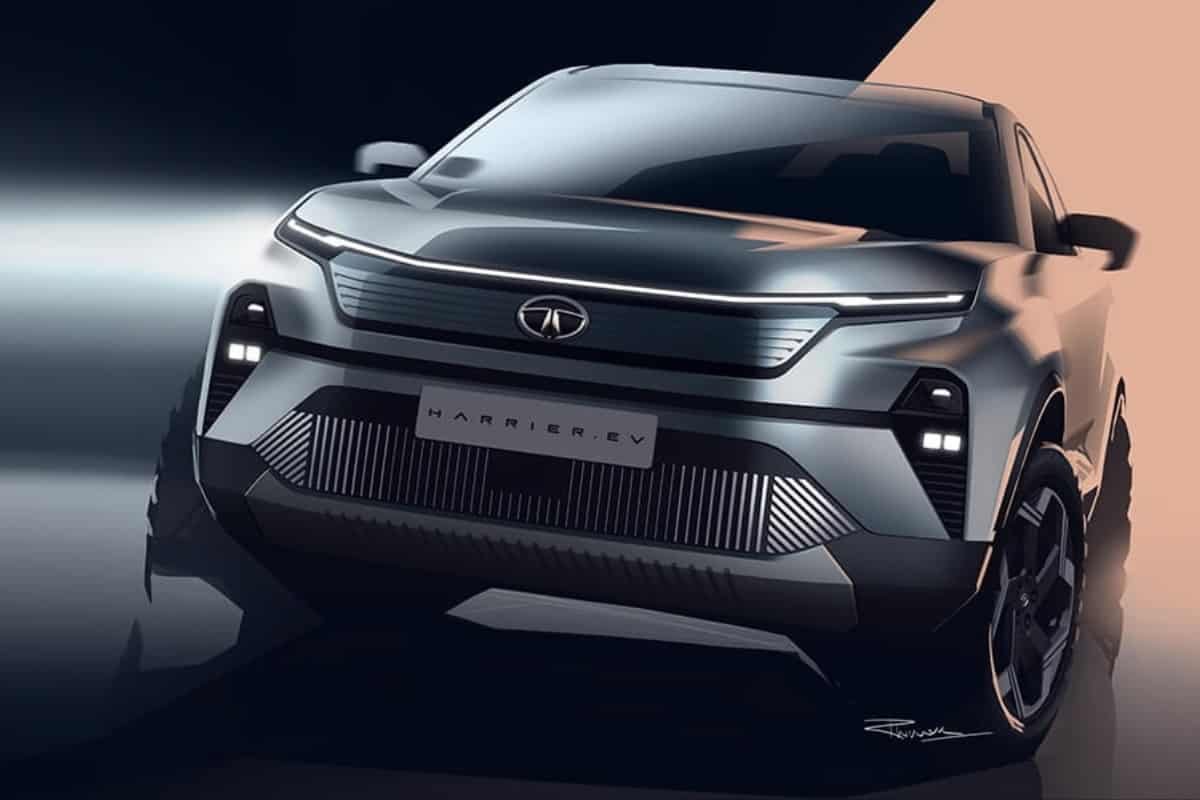
Check Tata Harrier EV specifications
-
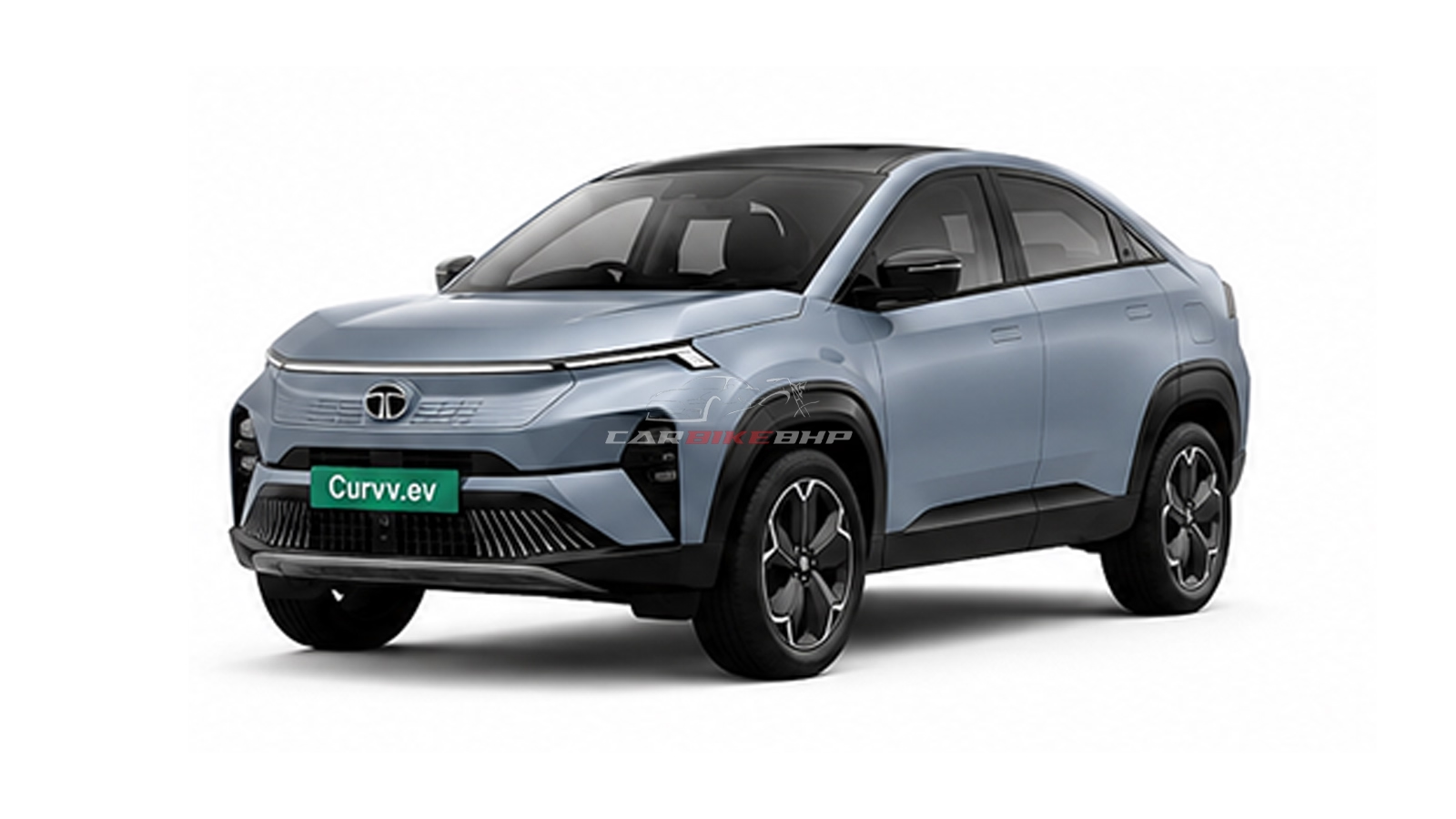
Check Tata Curvv EV specifications
-
Check Tata Nexon EV specifications
-
Check Tata Punch EV specifications
-
Check Mahindra XEV 9e EV specifications
-
Check BYD Sealion 7 EV specifications
Final Verdict
The Tata Avinya is an upcoming premium electric car with a new design and a new electric platform. It should have spacious cabin space, long-range driving capacity, fast-charging ability, advanced technology, and a comfortable driving experience. The vehicle will also be offered in two variants: RWD and AWD, thus providing customers with diverse choices for performance. In addition, thanks to the premium interior and dedicated sales experience, the Avinya will be quite different from other electric vehicles currently produced by Tata Motors. Still, the final cost, size of the battery, power, range, specifications, and design remain unknown. The final model will provide an understanding of how Tata will present this electric vehicle and what its features and costs will be when the Avinya appears in India.