Quick Verdict
The AMO Mobility Jaunty 3 Wheeler is a low-speed electric three-wheeler designed primarily for short-distance urban commuting, gated communities, campuses and last-mile mobility. Its strongest advantage is its easy-to-use electric powertrain with low running costs, while its biggest limitation is the restricted top speed of around 25 km/h, making it unsuitable for highways or long-distance travel. Best for senior citizens, campus transport and short daily trips, but not ideal for buyers looking for high-speed performance or intercity commuting. If affordability, ease of operation and low maintenance are your priorities, the Jaunty 3 Wheeler deserves consideration.
Key Highlights
✅ Motor: BLDC hub motor with a low-speed electric drivetrain requiring no driving licence in many use cases (subject to local regulations and vehicle classification).
✅ Battery: Available with lead-acid and lithium-ion battery options depending on the variant.
✅ Top Speed: Approximately 25 km/h, suitable for city streets, societies and campuses.
✅ Range: Claimed driving range of up to 75 km per charge (variant dependent).
✅ Charging Time: Around 6–8 hours for lead-acid variants and 3–5 hours for lithium-ion versions.
✅ Running Cost: Estimated electricity cost works out to well under ₹0.30 per kilometre, significantly lower than petrol-powered alternatives.
✅ Braking: Drum brakes at both ends with mechanical braking system for predictable low-speed stopping.
✅ Best Use Case: Designed for elderly users, differently abled commuters, resorts, industrial campuses and neighbourhood mobility.
AMO Mobility Jaunty 3 Wheeler Specifications
Engine & Performance
| Specification |
Details |
| Powertrain |
Electric BLDC Hub Motor |
| Motor Type |
Brushless DC (BLDC) |
| Battery Options |
Lead Acid / Lithium-ion (variant dependent) |
| Maximum Power |
Manufacturer not officially specified |
| Maximum Torque |
Instant electric torque |
| Transmission |
Automatic (Direct Drive) |
| Starting System |
Electric Start |
| Drive Type |
Hub Motor |
| Claimed Top Speed |
25 km/h |
| 0-60 km/h |
Not Applicable |
Battery, Charging & Range
| Specification |
Details |
| Battery Capacity |
Variant dependent |
| Claimed Range |
Up to 75 km/charge |
| Real-World Range |
55–70 km/charge |
| Charging Time (Lead Acid) |
6–8 hours |
| Charging Time (Lithium-ion) |
3–5 hours |
| Portable Charger |
Yes |
| Estimated Electricity Cost |
Very low (around ₹0.25–₹0.35/km depending on tariff) |
Chassis & Dimensions
| Specification |
Details |
| Vehicle Type |
Electric Three-Wheeler |
| Seating Capacity |
1 Rider + Passenger(s) (variant dependent) |
| Kerb Weight |
Approx. 180–220 kg (variant dependent) |
| Ground Clearance |
Approx. 170 mm |
| Wheelbase |
Manufacturer not officially disclosed |
| Length |
Variant dependent |
| Width |
Variant dependent |
| Height |
Variant dependent |
Brakes & Wheels
| Specification |
Details |
| Front Brake |
Drum |
| Rear Brake |
Drum |
| Brake System |
Mechanical Drum |
| ABS |
No |
| CBS |
No |
| Front Tyre |
Tubeless |
| Rear Tyre |
Tubeless |
| Wheel Type |
Steel Wheels |
Features & Electronics
| Feature |
Availability |
| Instrument Console |
Digital Battery Display |
| Battery Level Indicator |
Yes |
| Reverse Mode |
Yes (variant dependent) |
| USB Charging Port |
No |
| Bluetooth Connectivity |
No |
| LED Headlamp |
No |
| LED Tail Lamp |
Yes |
| Mobile App |
No |
| Anti-Theft Alarm |
Variant dependent |
| Parking Brake |
Yes |
Variants & Price (Ex-showroom)
| Variant |
Approx. Price |
| Jaunty 3 Wheeler Lead Acid |
₹85,000–₹95,000 |
| Jaunty 3 Wheeler Lithium-ion |
₹1.00 lakh–₹1.15 lakh |
Prices may vary by state, subsidy availability and dealership.
Design and Build Quality
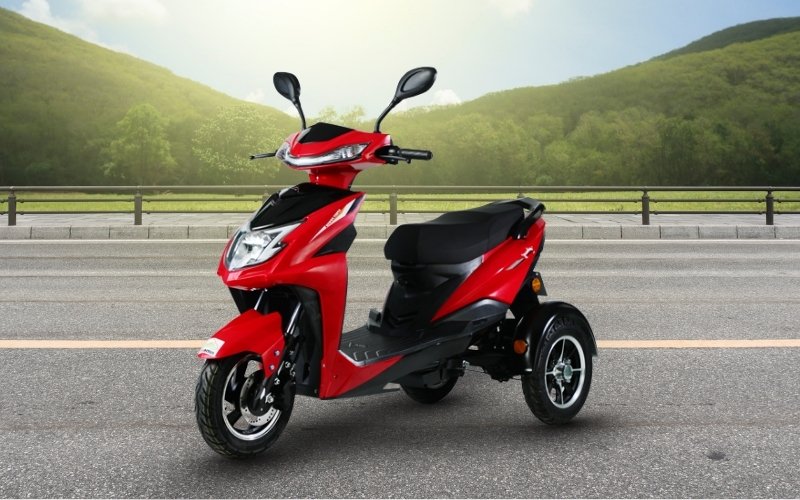
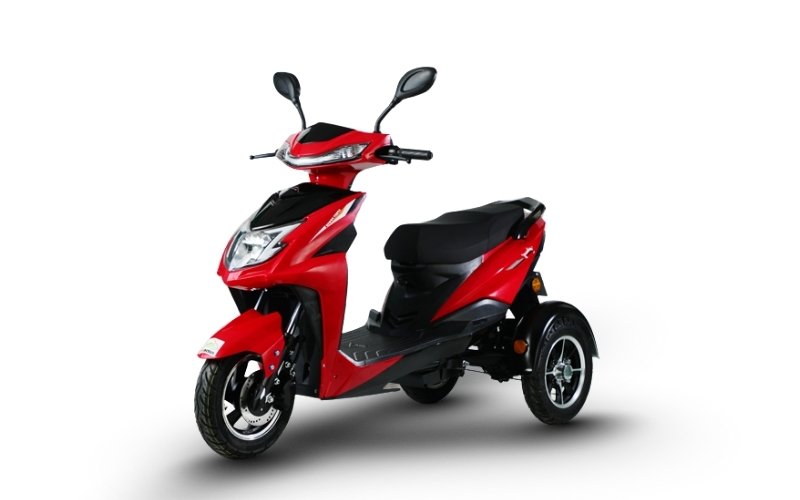
The AMO Mobility Jaunty 3 Wheeler prioritises practicality over aggressive styling. Its compact footprint allows it to navigate narrow residential roads, industrial premises and crowded urban streets with ease. Unlike conventional scooters, the three-wheel layout provides additional stability at low speeds, making it particularly suitable for elderly riders and users who may not feel comfortable balancing a two-wheeler.
The body panels feature a simple yet functional design that focuses on durability rather than premium aesthetics. Plastic bodywork helps reduce weight while keeping repair costs relatively low. The upright seating position and wide front section also improve rider confidence during slow-speed manoeuvres.
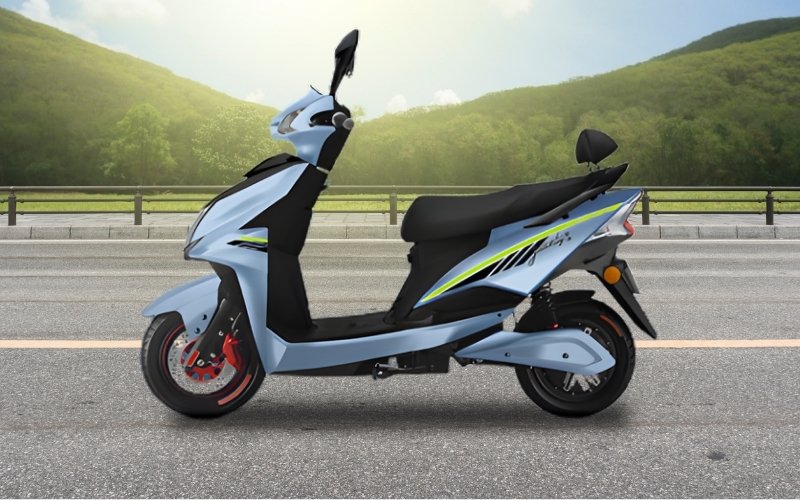
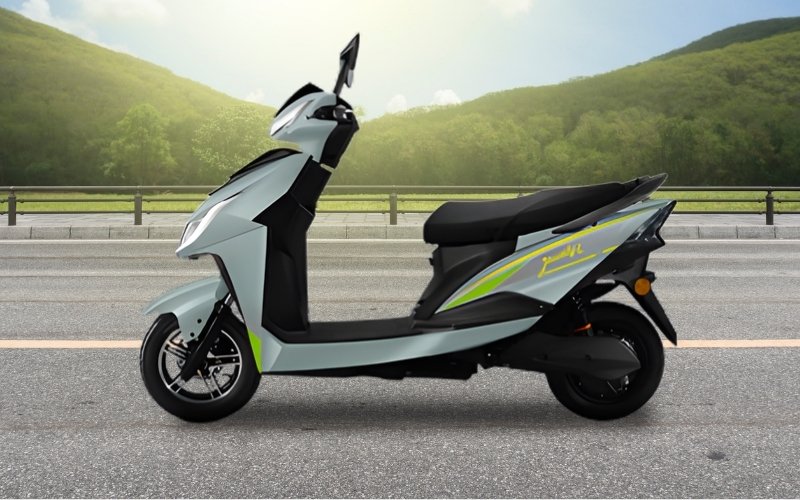
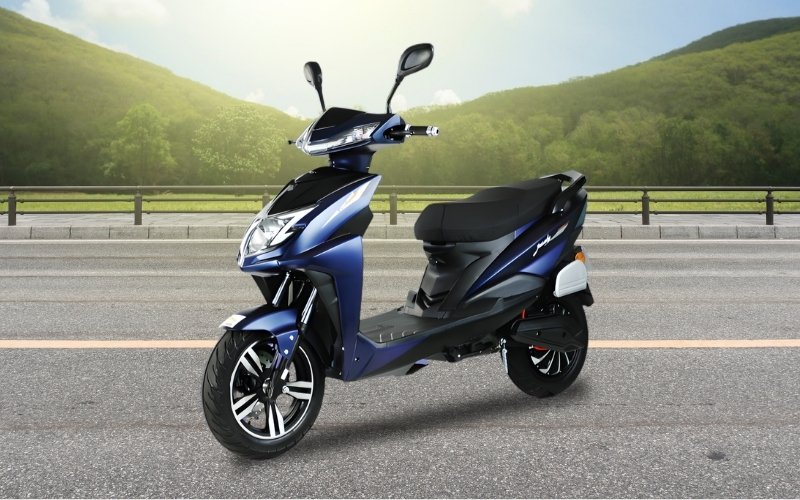
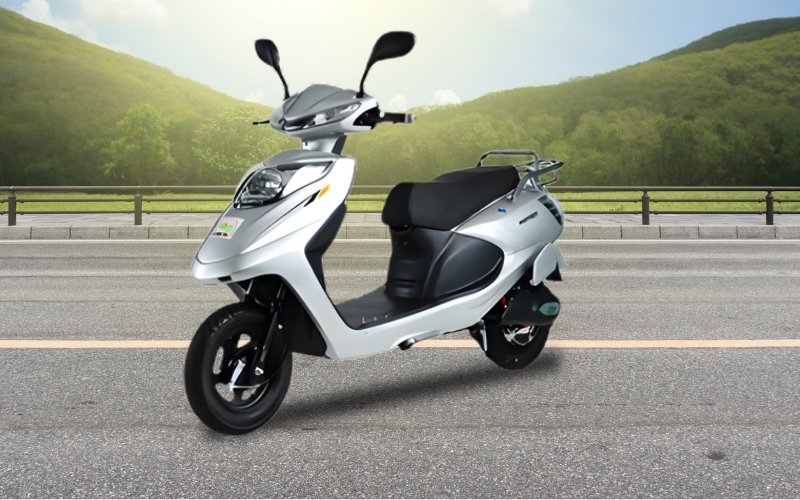
The Jaunty is available in multiple colour options depending on the dealership, including shades such as red, blue, white and grey. Fit and finish are adequate for its intended price point, although panel gaps and plastic quality are understandably not at the level of premium electric scooters.
Practical touches include a comfortable step-through design, easily accessible controls and a spacious rider area. The three-wheel configuration also eliminates the need to balance the vehicle while stopping, which is a major advantage for senior citizens and differently abled users.
Overall, build quality matches the expectations of an entry-level electric mobility solution, with a stronger focus on usability and affordability than cosmetic appeal.
Engine and Performance
The AMO Mobility Jaunty 3 Wheeler uses a BLDC hub motor paired with an electric battery pack to deliver smooth and silent operation. Unlike petrol-powered scooters, there is no clutch, gearbox or gear shifting involved. Power delivery is immediate, making city riding effortless in traffic and confined spaces.
With a claimed top speed of around 25 km/h, acceleration is deliberately tuned for safety rather than excitement. The motor provides enough torque to move away cleanly from a standstill and climb mild inclines without excessive strain, especially when carrying a single occupant.
During typical city usage, throttle response remains smooth and predictable. There are virtually no vibrations because of the electric drivetrain, and motor noise is minimal even under acceleration. Heat management is also excellent since the motor generates considerably less heat than an internal combustion engine.
However, buyers should understand the limitations of a low-speed electric vehicle. Overtaking faster traffic requires planning, and the Jaunty is not designed for highways or roads where traffic regularly exceeds 50 km/h. Strong headwinds and steep flyovers can also reduce performance and driving range.
For its intended purpose—short urban trips, neighbourhood errands, campus transport and local commuting—the electric powertrain performs reliably while keeping running costs exceptionally low.
Ride Quality and Handling
The Jaunty 3 Wheeler's greatest strength lies in its stability at low speeds. The additional wheel provides extra confidence during starts, stops and slow turns, particularly for inexperienced riders and elderly users who may find balancing a conventional scooter challenging.
Its suspension setup is tuned primarily for urban roads, absorbing minor potholes, speed breakers and uneven surfaces reasonably well at speeds below 25 km/h. Ride comfort remains acceptable during short daily commutes, although larger potholes can still be felt due to the relatively simple suspension design.
The compact dimensions contribute to an excellent turning radius, allowing easy U-turns in tight residential lanes and crowded parking areas. Steering effort is light, making the vehicle easy to manoeuvre even in confined spaces such as apartment complexes, shopping areas and campuses.
Because of its restricted top speed, high-speed stability is not a major concern. The three-wheel configuration also reduces the risk of tipping over during slow manoeuvres, especially when stopping on uneven roads.
Long-distance comfort is less relevant because the Jaunty is intended for short-range mobility. For trips within a 5–15 km radius, however, the combination of upright ergonomics, stable chassis and quiet electric drivetrain results in a relaxed and fatigue-free riding experience.
Fuel Efficiency — Real World
The AMO Mobility Jaunty 3 Wheeler does not consume petrol, so its operating cost is measured in terms of electricity consumption and range per charge. According to AMO Mobility, the vehicle offers a claimed range of up to 75 km on a full charge, although the actual figure depends on battery type, rider weight, road conditions and driving style.
In everyday city use, real-world figures suggest around 55–70 km per charge. Lithium-ion variants generally maintain performance better over repeated charging cycles and provide more consistent range, while lead-acid versions can see a noticeable drop in range as the battery ages.
Charging is straightforward using a standard household 5A socket. The lead-acid battery typically requires 6–8 hours for a full charge, whereas the lithium-ion version can be recharged in approximately 3–5 hours, making overnight charging practical for most owners.
Assuming an average residential electricity tariff of ₹7–₹9 per unit, the running cost works out to roughly ₹0.25–₹0.35 per kilometre. In comparison, a petrol scooter delivering 45–50 kmpl with petrol priced above ₹100 per litre costs more than ₹2 per kilometre to run.
For users travelling 10–20 km per day, a full charge can comfortably last 3–5 days depending on usage. That makes the Jaunty an economical option for neighbourhood commuting, campus mobility and short-distance commercial use.
Real-World Range Summary
| Condition |
Expected Range |
| Light city use |
65–70 km |
| Mixed urban riding |
60–65 km |
| Full load with frequent stops |
55–60 km |
| Manufacturer claimed |
Up to 75 km |
Features and Technology
The AMO Mobility Jaunty 3 Wheeler focuses on functional features instead of premium electronics. Its equipment list is designed to improve ease of use, reliability and low ownership costs rather than compete with feature-rich electric scooters.
The rider gets a digital battery level indicator, allowing quick monitoring of the remaining charge. This helps avoid unexpected battery depletion during daily errands. Some variants also include a reverse drive mode, which makes parking or manoeuvring the vehicle in tight spaces much easier.
The electric drivetrain starts instantly with the press of a switch, eliminating kick-start mechanisms and reducing maintenance. The absence of an engine also means there are no oil changes, clutch adjustments or gearbox servicing requirements.
Unlike modern premium scooters, the Jaunty does not offer Bluetooth connectivity, smartphone integration, navigation, ride analytics or OTA software updates. Buyers looking for connected technology may find these omissions noticeable, but they also contribute to the vehicle's straightforward ownership experience.
Feature Ranking by Usefulness
| Feature |
Usefulness |
| Battery Level Indicator |
★★★★★ |
| Reverse Mode* |
★★★★★ |
| Electric Start |
★★★★★ |
| Parking Brake |
★★★★☆ |
| LED Tail Lamp |
★★★☆☆ |
| Digital Display |
★★★☆☆ |
| USB Charging Port |
Not Available |
| Bluetooth Connectivity |
Not Available |
| Mobile App Support |
Not Available |
| Navigation |
Not Available |
*Variant dependent.
Compared with similarly priced low-speed electric three-wheelers, the Jaunty offers all the essentials expected in this category. However, buyers upgrading from premium electric scooters should be aware that convenience technologies remain limited.
Comfort and Ergonomics
Comfort is one of the strongest aspects of the AMO Mobility Jaunty 3 Wheeler, especially for riders who prioritise stability and ease of operation over outright performance.
The upright seating position reduces strain on the lower back during short urban journeys. The step-through design allows riders to get on and off easily, making the vehicle suitable for senior citizens and users with limited mobility. Unlike conventional scooters, there is no need to balance the vehicle while stationary.
The handlebar position feels natural and requires minimal reach, while the controls are simple enough for first-time electric vehicle users. Since there is no clutch or gear lever, riding is largely reduced to twisting the throttle and operating the brakes.
The wide floor area provides enough room for comfortable foot placement and also allows users to carry small bags between their feet when necessary. The cushioned seat offers adequate support for city rides lasting 20–40 minutes, although longer journeys are limited by the vehicle's low-speed nature rather than seat comfort.
Noise levels remain exceptionally low because of the electric motor. Combined with minimal vibration, this results in a relaxed riding experience that is noticeably quieter than petrol-powered three-wheelers.
Overall, the Jaunty delivers an accessible riding position that suits beginners, elderly riders, gated communities, educational campuses and local commercial applications.
Ergonomics at a Glance
- Seat Position: Upright and comfortable
- Seat Height: Easy to access due to step-through design
- Handlebar Reach: Natural for most riders
- Floorboard: Wide and practical
- Vibration Levels: Extremely low
- Ease of Riding: Excellent for beginners
Boot Space and Practicality
Practicality is central to the design philosophy of the AMO Mobility Jaunty 3 Wheeler. Instead of focusing on sporty styling or high-speed performance, it is engineered to simplify short-distance transportation and daily utility.
Storage capacity varies slightly depending on the variant, but the vehicle provides sufficient space for everyday essentials. The open layout also makes it easier to carry grocery bags, shopping items and personal belongings without affecting rider comfort.
Unlike many conventional scooters, the Jaunty's layout allows users to place additional bags near the foot area while maintaining a comfortable riding posture. This is particularly useful for neighbourhood shopping trips or deliveries within residential areas.
The sturdy chassis also makes the vehicle suitable for carrying moderate loads without compromising stability at low speeds. For commercial users such as campus maintenance staff, security personnel or resort operators, the three-wheel configuration offers an added level of confidence when transporting equipment.
Practicality Highlights
| Item |
Practicality |
| Grocery Bags |
Easily accommodated |
| Small Backpack |
Yes |
| Laptop Bag |
Yes |
| Daily Shopping |
Excellent |
| Delivery Use |
Suitable for light-duty operations |
| Senior Citizen Mobility |
Excellent |
| Campus Transportation |
Excellent |
Although it does not offer the large under-seat storage seen on many electric scooters, its overall layout prioritises convenience and ease of access. For the vehicle's intended audience, the practical benefits outweigh the absence of premium storage solutions.
Variants — Which One to Buy
The AMO Mobility Jaunty 3 Wheeler is offered with different battery configurations, allowing buyers to choose between a lower purchase price and better long-term convenience.
Lead-Acid Variant
Approx. Price: ₹85,000–₹95,000 (ex-showroom)
This version has the lowest entry price and is aimed at budget-conscious buyers. It offers the same low-speed performance and practical usability but requires 6–8 hours for a full recharge. Lead-acid batteries are also heavier and generally have a shorter service life than lithium-ion units.
Best suited for:
- Budget buyers
- Limited daily usage
- Rural or semi-urban commuting
- Buyers with predictable charging schedules
Lithium-Ion Variant
Approx. Price: ₹1.00 lakh–₹1.15 lakh (ex-showroom)
Although more expensive initially, the lithium-ion version offers several long-term advantages. It charges faster in 3–5 hours, weighs less, delivers more consistent performance and typically lasts significantly longer before requiring replacement.
The lighter battery also contributes to slightly improved efficiency and easier handling.
Best suited for:
- Daily commuters
- Commercial operators
- Campus transport
- Buyers planning long-term ownership
Which Variant Offers Better Value?
For most buyers, the Lithium-Ion variant is the better investment despite its higher purchase price. The faster charging time, lower maintenance requirements, improved battery life and more consistent performance make it the sensible choice over several years of ownership.
Choose the Lead-Acid variant only if keeping the initial purchase cost as low as possible is your primary concern and your daily travel requirements are relatively modest.
Our Recommendation: AMO Mobility Jaunty 3 Wheeler Lithium-Ion Variant – It delivers the best balance of range, convenience, battery longevity and overall ownership value for typical urban users.
AMO Mobility Jaunty 3 Wheeler vs Competitors
The AMO Mobility Jaunty 3 Wheeler competes in the low-speed electric mobility segment rather than with mainstream electric scooters. Its closest rivals include the Lohia Comfort F2F, Hero Electric Atria (low-speed scooter) and E-Ashwa E-Rickshaw Lite for urban mobility applications. Each serves a slightly different audience, but all prioritise affordability and low running costs.
| Model |
Approx. Ex-Showroom Price |
Claimed Range |
Top Speed |
Key Advantage |
| AMO Mobility Jaunty 3 Wheeler |
₹85,000–₹1.15 lakh |
Up to 75 km |
25 km/h |
Three-wheel stability |
| Lohia Comfort F2F |
₹90,000–₹1.10 lakh |
Up to 80 km |
25 km/h |
Comfortable seating |
| Hero Electric Atria |
₹78,000–₹85,000 |
Up to 85 km |
25 km/h |
Established service network |
| E-Ashwa E-Rickshaw Lite |
₹1.10–₹1.35 lakh |
Up to 90 km |
25 km/h |
Commercial passenger use |
Price Comparison
The Jaunty sits in the middle of the segment. It costs slightly more than entry-level low-speed electric scooters but is generally more affordable than commercial electric rickshaws. Buyers pay a premium for the additional stability of the three-wheel layout.
Range Comparison
AMO claims up to 75 km on a full charge. In practical conditions, users can expect 55–70 km, which is competitive for this category. Some rivals advertise slightly longer ranges, but real-world differences are often modest and depend heavily on battery chemistry and payload.
Feature Comparison
Compared with the Hero Electric Atria, the Jaunty misses connected features such as smartphone integration. However, it offers a clear advantage in rider confidence thanks to its three-wheel design, especially for elderly users or riders with limited mobility.
Against commercial e-rickshaws, the Jaunty is more compact, easier to park and better suited for personal transportation rather than carrying multiple passengers.
Who Should Buy Which?
- Choose the AMO Mobility Jaunty 3 Wheeler if stability, ease of riding and neighbourhood mobility are your priorities.
- Choose the Hero Electric Atria if you prefer a conventional scooter with a wider dealership and service network.
- Choose the Lohia Comfort F2F if rider comfort is your main concern.
- Choose an E-Ashwa E-Rickshaw only if your primary requirement is commercial passenger transportation.
For buyers seeking a simple personal electric mobility solution, the Jaunty's three-wheel architecture remains its biggest differentiator.
Pros and Cons
PROS
- Three-Wheel Stability: Eliminates balancing at low speeds, making it ideal for senior citizens and inexperienced riders.
- Very Low Running Cost: Electricity costs are typically around ₹0.25–₹0.35 per km, significantly lower than petrol-powered alternatives.
- Easy to Ride: Automatic transmission, instant electric torque and simple controls make it beginner-friendly.
- Low Maintenance: No engine oil, clutch, gearbox or spark plug replacements reduce routine servicing requirements.
- Comfortable Urban Mobility: Upright ergonomics, quiet electric motor and smooth power delivery suit daily neighbourhood travel.
- Available with Lithium-Ion Battery: Faster charging and longer battery life improve long-term ownership value.
CONS
- Low Top Speed: The 25 km/h speed limit makes it unsuitable for highways or fast-moving traffic.
- Limited Feature List: No Bluetooth connectivity, navigation, USB charging or smartphone app support.
- Restricted Practical Range: Real-world range of 55–70 km may not suit buyers with longer daily commutes.
- Smaller Service Network: AMO Mobility has fewer dealerships and authorised service centres than larger EV manufacturers.
- Basic Build Quality: Materials and switchgear prioritise affordability over a premium feel.
Verdict — Should You Buy It?
The AMO Mobility Jaunty 3 Wheeler is a specialised electric mobility vehicle rather than a replacement for a conventional scooter. Its biggest strengths are stability, simplicity and exceptionally low running costs, making it a practical option for specific types of buyers.
Buy it if you are...
- A senior citizen looking for a stable and easy-to-ride electric vehicle.
- Travelling 10–20 km daily within your neighbourhood.
- Using the vehicle inside campuses, resorts, gated communities or industrial premises.
- Looking for an affordable electric alternative with minimal maintenance.
- Prioritising safety and ease of use over speed.
Skip it if you are...
- Regularly riding on highways or major city roads where traffic moves above 50 km/h.
- Expecting scooter-like acceleration or sporty performance.
- Looking for advanced technology such as Bluetooth connectivity or navigation.
- Travelling more than 60–70 km between charging opportunities.
Wait if you are...
- Considering future government EV subsidies in your state.
- Expecting updated lithium-ion variants with higher range.
- Waiting for AMO Mobility to expand its dealership and service network in your city.
Overall Verdict
The AMO Mobility Jaunty 3 Wheeler earns a rating of 4.0/5. It successfully delivers what it promises: affordable, stable and efficient electric mobility for short-distance travel. While its low-speed nature limits its appeal, it is a sensible choice for buyers whose daily needs match its intended purpose.