Fuel Efficiency — Real World
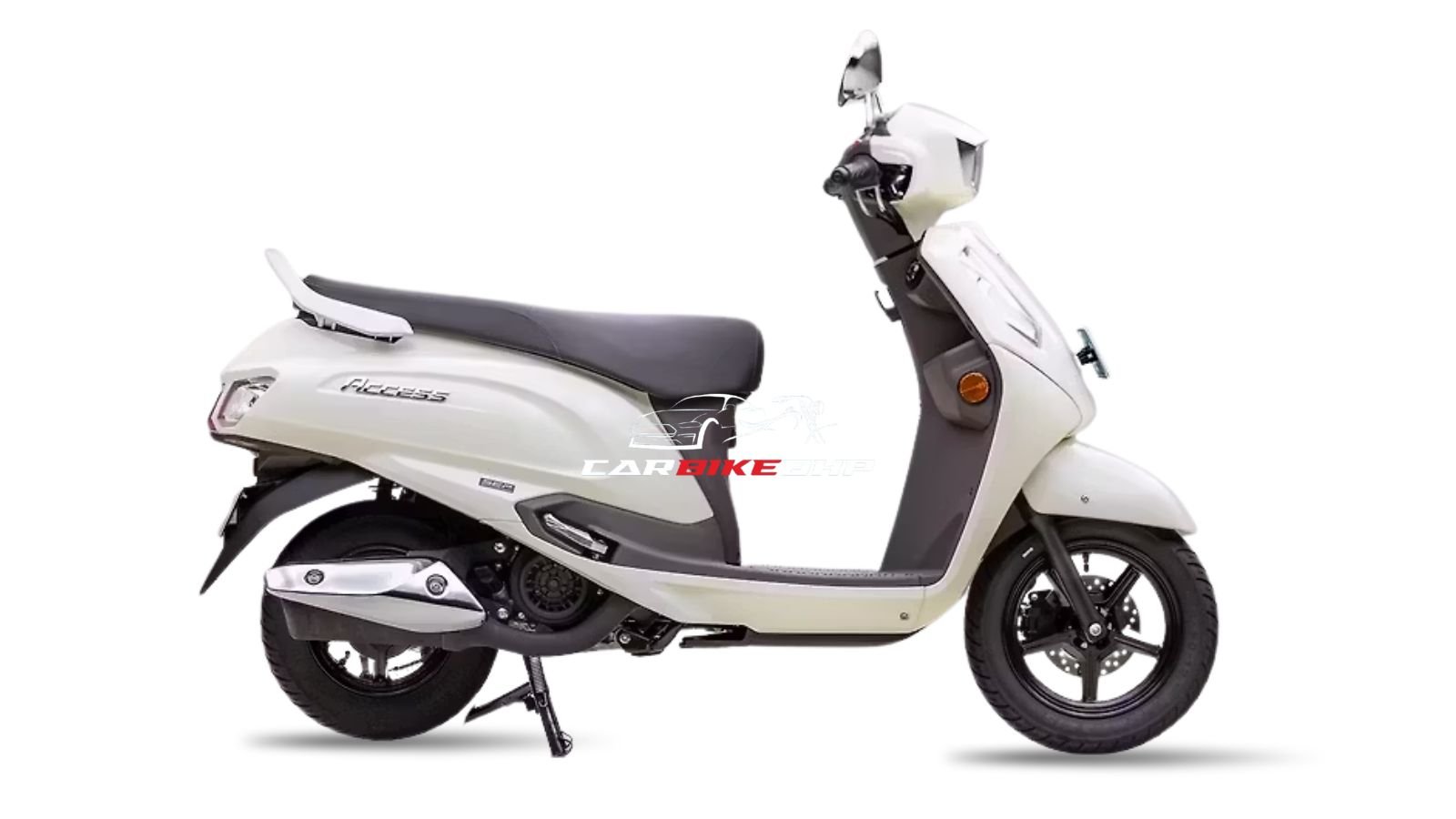
The Suzuki Access 125 has earned a reputation for delivering dependable fuel economy, and real-world usage continues to support that reputation. While Suzuki quotes an ARAI-certified mileage of around 45–47 kmpl, our experience and owner feedback suggest that careful city riding can return 48–54 kmpl, depending on traffic conditions, riding style and maintenance.
In dense urban traffic with frequent stops, riders can realistically expect 47–50 kmpl. On open suburban roads or highways at a steady 50–60 kmph, mileage can improve to 53–56 kmpl. A mixed riding cycle generally delivers 50–52 kmpl, making it one of the more fuel-efficient 125cc petrol scooters.
With its 5.3-litre fuel tank, the Access 125 offers a practical riding range of approximately 250–285 km on a full tank before the fuel warning becomes a concern. This means many daily commuters covering 25–30 km per day only need to refuel once every week.
Several factors contribute to the scooter's efficiency. Suzuki's SEP (Suzuki Eco Performance) technology optimises combustion and reduces internal friction, while the refined CVT calibration keeps engine revs low during everyday acceleration. The lightweight 106 kg kerb weight also helps reduce fuel consumption in city conditions.
Compared with its key rivals, the Access 125 performs competitively:
| Scooter |
Real-world Mileage |
| Suzuki Access 125 |
48–54 kmpl |
| Honda Activa 125 |
47–52 kmpl |
| TVS Jupiter 125 |
48–55 kmpl |
| Yamaha Fascino 125 Hybrid |
50–56 kmpl |
Although the Yamaha Fascino Hybrid may edge ahead slightly in economy, the Access combines excellent mileage with smooth refinement, making it an economical long-term ownership proposition.
Features and Technology
The 2025 Suzuki Access 125 focuses on practical technology rather than loading the scooter with gimmicks. Most of its features genuinely improve day-to-day convenience, especially for commuters and family buyers.
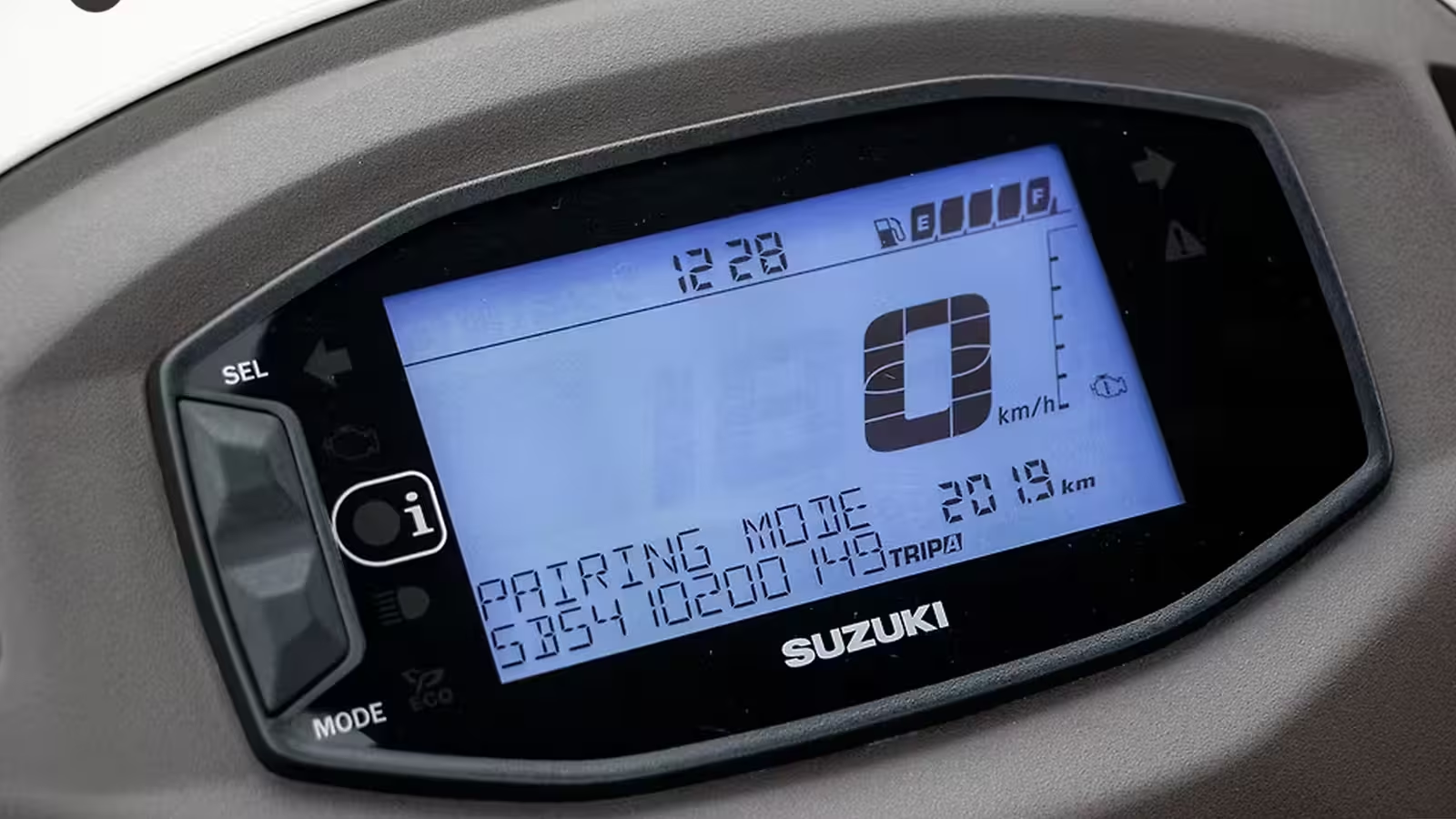
The highlight is the Ride Connect Edition, which introduces a Bluetooth-enabled digital instrument console. Once paired with Suzuki's smartphone application, riders receive turn-by-turn navigation, incoming call alerts, SMS notifications, WhatsApp message alerts and missed call information directly on the display. While the screen is not as sophisticated as the TFT units offered by some premium scooters, it remains easy to read even in bright daylight.
Everyday usability is enhanced through an external fuel filler cap, eliminating the need to lift the seat while refuelling. The scooter also gets a USB charging socket, allowing riders to charge smartphones during daily commutes. A silent starter motor, engine start-stop switch and side-stand engine cut-off improve convenience and safety.
The analogue-digital instrument cluster clearly displays:
- Speedometer
- Fuel gauge
- Odometer
- Trip meter
- Clock
- Eco indicator
- Service reminder
- Battery voltage warning (Ride Connect)
Despite these improvements, there are areas where competitors offer more equipment. The Access still misses out on:
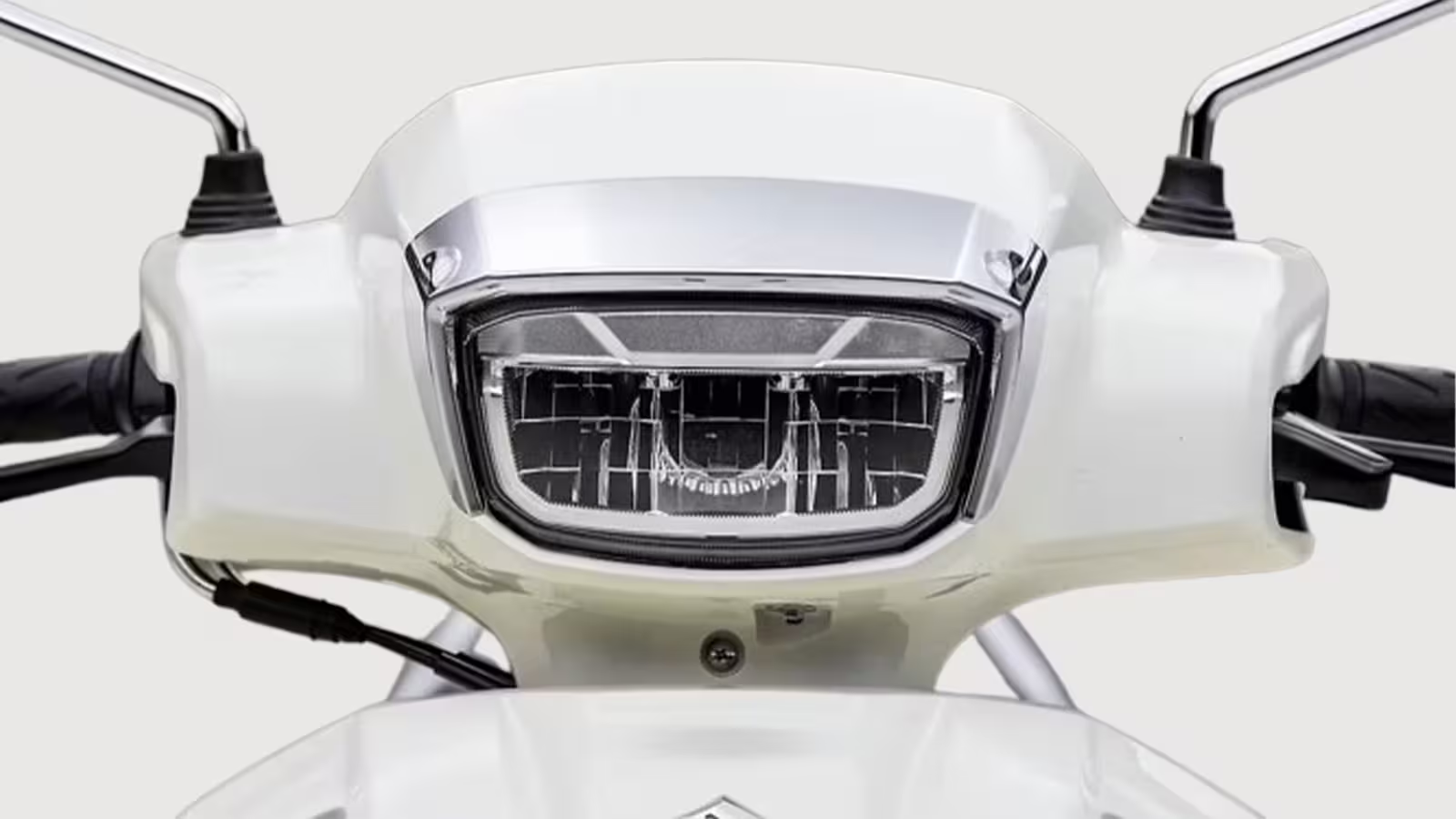
- Full LED headlamp
- Keyless ignition
- TFT display
- Traction control
- Idle stop-start system
These omissions are noticeable, particularly when compared with premium rivals such as the TVS Jupiter 125 SmartXonnect and Yamaha Fascino Hybrid. Nevertheless, every feature included on the Access is practical and easy to use, aligning well with its family-oriented character.
Comfort and Ergonomics
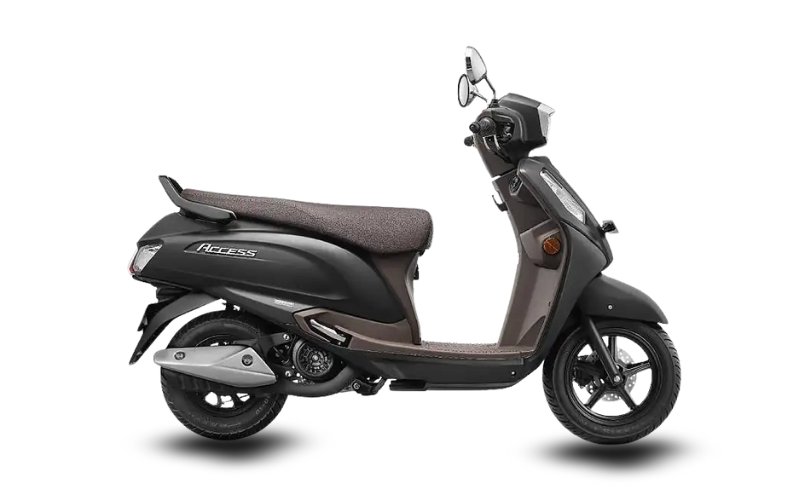
Comfort has always been one of the strongest reasons to buy the Suzuki Access 125, and the latest model continues that tradition. The scooter is engineered around an upright riding posture that suits riders of varying heights, making it equally comfortable for daily commuting and occasional longer journeys.
The 773 mm seat height is among the lowest in the 125cc scooter segment. Riders as short as 5 ft 2 in can comfortably place both feet on the ground, while taller riders up to around 6 ft will still find sufficient legroom thanks to the spacious floorboard.
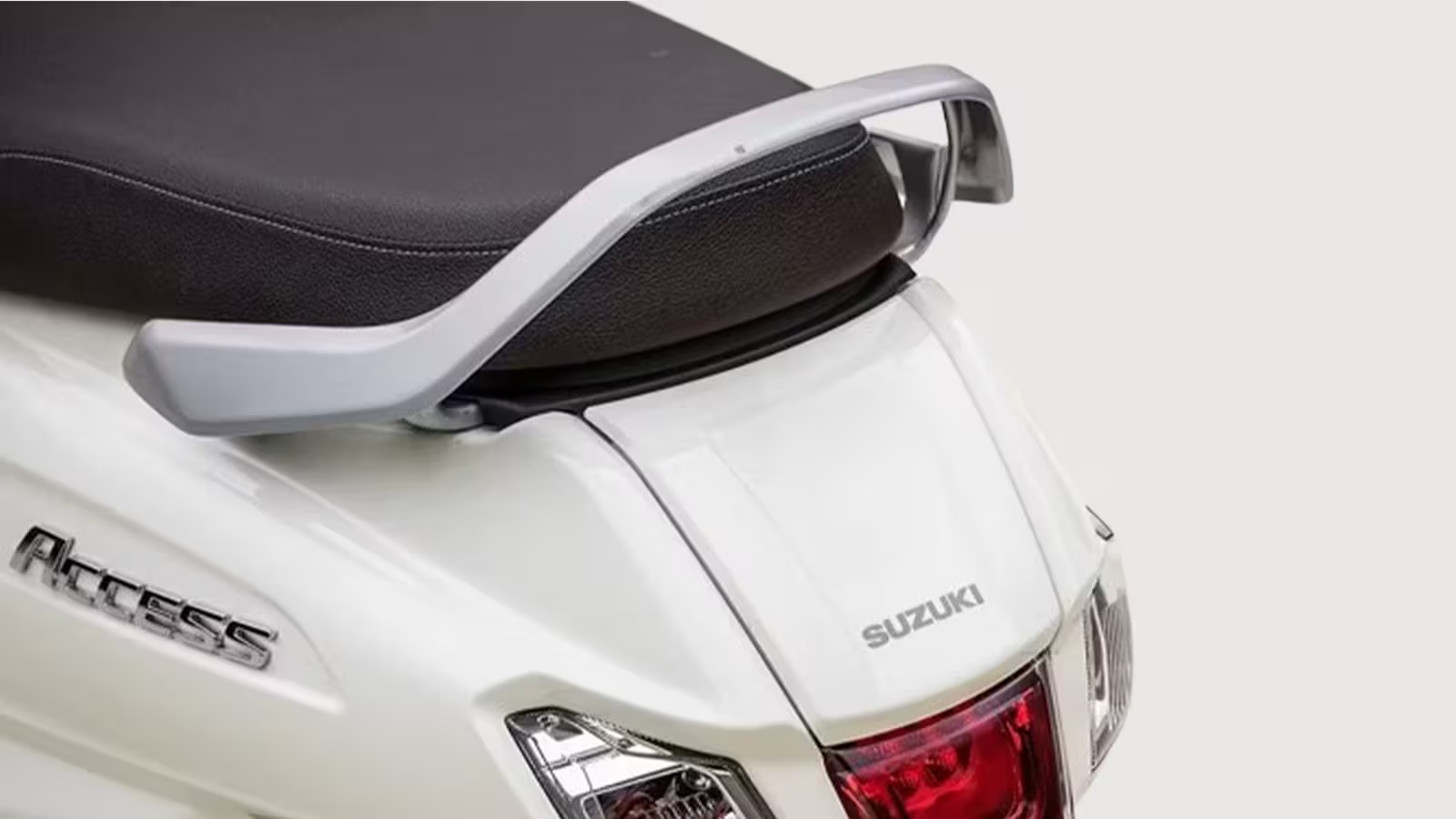
The seat itself is long, wide and well cushioned. During commutes lasting 45–60 minutes, cushioning remains supportive without becoming excessively soft. The pillion also benefits from a generous seating area, sturdy aluminium grab rail and comfortably positioned footrests.
Handlebar reach feels natural, reducing strain on the shoulders and wrists during heavy traffic. The scooter's relatively low weight further reduces fatigue when weaving through congested roads or pushing the scooter into parking spaces.
Wind protection is naturally limited due to the scooter's design, but vibrations remain exceptionally low throughout the rev range. Even while cruising at 70 kmph, the engine remains smooth enough to avoid numbness in the hands or feet.
For family use, office commuting and everyday errands, the Access 125 offers one of the most comfortable riding positions in its category.
Boot Space and Practicality
Practicality has always been one of the Access 125's biggest strengths, and Suzuki has made several thoughtful improvements that benefit everyday owners.
The scooter provides 24.4 litres of under-seat storage, which is among the largest in the segment. It comfortably accommodates:
- One half-face helmet
- Raincoat
- Water bottle
- Lunch box
- Small grocery bags
- Toolkit and documents
Most medium-sized full-face helmets do not fit completely inside the storage compartment, although some compact helmet designs may fit depending on shell size.
The external fuel filler cap significantly improves convenience by allowing refuelling without opening the seat. This is especially useful when carrying luggage under the seat.
The large flat floorboard provides enough room for shopping bags or a small backpack, while the front utility hook securely carries grocery bags weighing several kilograms. Suzuki also includes an additional front storage pocket for keeping mobile phones, wallets or toll receipts within easy reach.
Other practical touches include:
- Bright LED boot lamp (selected variants)
- Easy centre stand operation
- Spacious pillion footrests
- Wide grab rail
- Lightweight chassis for parking manoeuvres
For buyers who prioritise everyday usability over sporty styling, the Access 125 remains one of the most practical scooters available under ₹1 lakh.
Variants — Which One to Buy
Suzuki offers the Access 125 in multiple variants, allowing buyers to choose according to budget and feature requirements.
Standard Drum
This is the entry-level model aimed at buyers looking for dependable commuting. It includes CBS, alloy wheels, analogue-digital instrument cluster and the same refined engine found across the range. It offers excellent value if Bluetooth connectivity is not important.
Special Edition
The Special Edition primarily adds cosmetic enhancements, including premium paint finishes and chrome accents. Mechanically, it remains identical to the standard version.
Ride Connect Edition
This variant introduces Bluetooth connectivity, navigation support, WhatsApp alerts, USB charging and a more feature-rich instrument cluster. It suits riders who frequently use navigation or want smartphone integration without spending significantly more.
Disc Brake Ride Connect
The top-end version combines all available features with a front disc brake, delivering noticeably stronger braking performance during emergency stops and wet-weather riding.
Which Variant Offers the Best Value?
For most buyers, the Ride Connect Disc Brake variant represents the best balance of safety, convenience and long-term ownership satisfaction. The additional cost is justified by the stronger braking performance and practical connectivity features.
Buyers on a tighter budget can confidently choose the Standard Drum variant, as it retains the same refined engine and comfortable ride quality.
Suzuki Access 125 vs Competitors
The Suzuki Access 125 competes directly with several established 125cc scooters in India. The closest rivals are the Honda Activa 125, TVS Jupiter 125, and Yamaha Fascino 125 Hybrid.
| Model |
Ex-showroom Price* |
Real Mileage |
Key Strength |
| Suzuki Access 125 |
₹84,000–₹95,000 |
48–54 kmpl |
Smooth engine & practicality |
| Honda Activa 125 |
₹95,000–₹1.02 lakh |
47–52 kmpl |
Reliability & resale value |
| TVS Jupiter 125 |
₹88,000–₹1.02 lakh |
48–55 kmpl |
Largest boot space & features |
| Yamaha Fascino 125 Hybrid |
₹84,000–₹98,000 |
50–56 kmpl |
Lightweight & hybrid assist |
*Approximate Delhi ex-showroom prices.
Suzuki Access 125 vs Honda Activa 125
The Access offers a lighter chassis, smoother throttle response and generally lower pricing. The Activa 125 counters with stronger resale value and Honda's extensive service network.
Suzuki Access 125 vs TVS Jupiter 125
The Jupiter 125 provides more modern features, a larger fuel tank and class-leading practicality. However, the Access feels more refined and delivers smoother engine performance.
Suzuki Access 125 vs Yamaha Fascino Hybrid
The Fascino stands out with hybrid assistance and slightly better fuel efficiency. The Access, however, offers a larger seat, superior ride comfort and a more mature design.
Which One Should You Buy?
- Choose the Suzuki Access 125 if you prioritise refinement, comfort and long-term reliability.
- Choose the Honda Activa 125 if resale value matters most.
- Choose the TVS Jupiter 125 if you want maximum features and storage.
- Choose the Yamaha Fascino Hybrid if fuel economy and lightweight handling are your top priorities.
Pros and Cons
PROS
- Exceptionally refined engine: One of the smoothest 125cc scooter engines available, with minimal vibrations even at 70–80 kmph.
- Comfortable ride quality: Soft suspension and upright ergonomics make daily commuting less tiring.
- Excellent practicality: 24.4-litre boot, external fuel filling, utility hooks and spacious floorboard simplify everyday use.
- Lightweight handling: At only 106 kg, it is easy to manoeuvre in traffic and parking spaces.
- Strong fuel efficiency: Real-world mileage of 48–54 kmpl helps reduce running costs over long-term ownership.
CONS
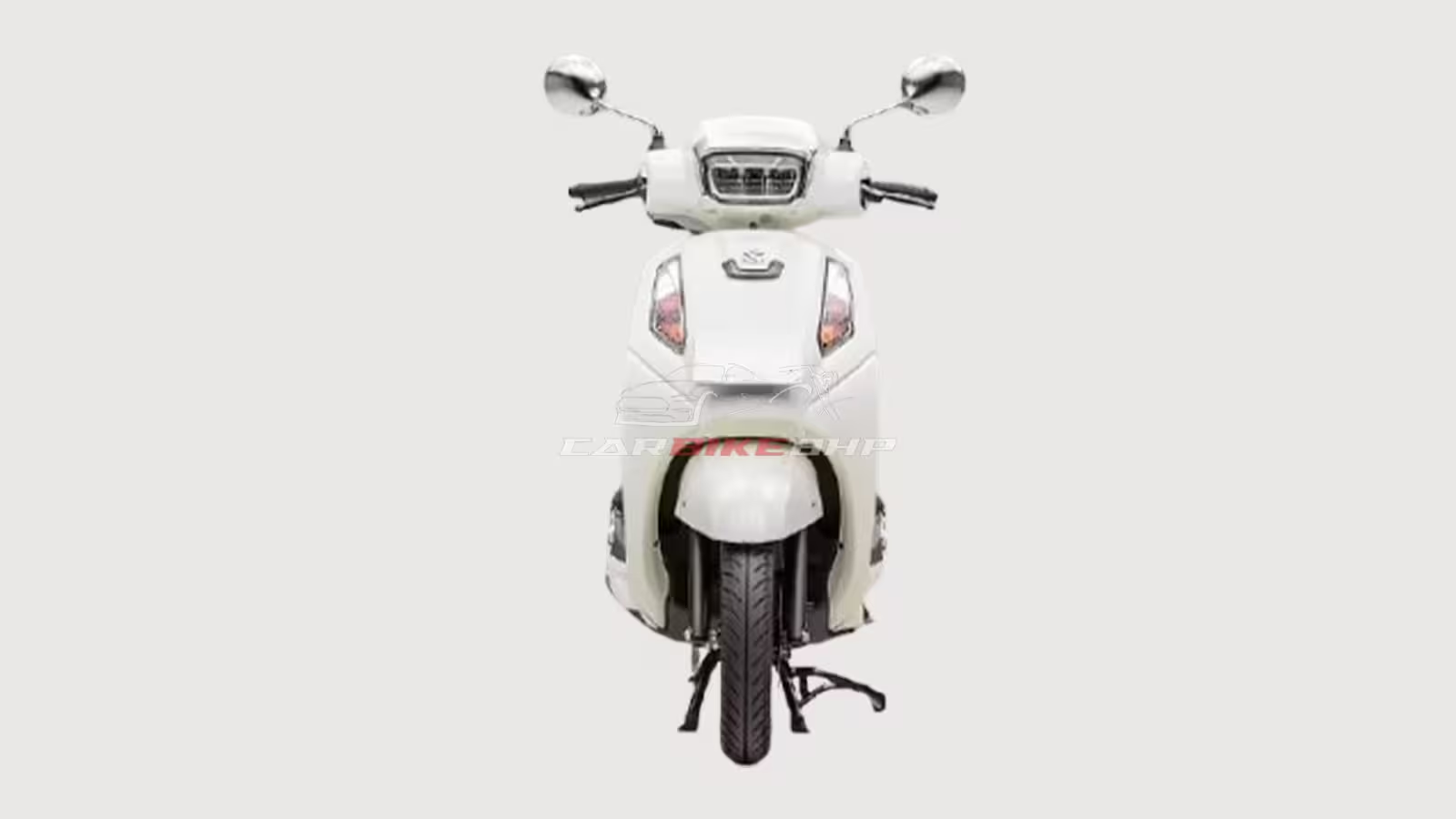
- No LED headlamp: Most competitors now offer full LED lighting, improving both visibility and premium appeal.
- Limited premium technology: Features like keyless ignition, TFT display and idle stop-start are absent.
- Performance isn't sporty: Riders seeking quick acceleration or enthusiastic handling may prefer the TVS Ntorq 125.
- Top-end pricing overlaps rivals: The fully loaded variant approaches the pricing of more feature-rich competitors.
Verdict — Should You Buy It?
The Suzuki Access 125 remains one of the most balanced family scooters in the Indian market. Rather than chasing flashy styling or unnecessary technology, Suzuki has focused on the fundamentals that matter most: engine refinement, comfort, fuel efficiency and everyday practicality.
Buy it if you are looking for a dependable scooter for office commuting, family use or daily city riding. The smooth 124cc engine, comfortable ergonomics, lightweight handling and 48–54 kmpl real-world mileage make it an easy scooter to live with.
Skip it if you are looking for sporty performance, aggressive styling or the latest premium technology such as a TFT display, keyless ignition or all-LED lighting. Competitors like the TVS Ntorq 125 or Jupiter 125 may suit you better.
Wait if you are expecting Suzuki to introduce a major facelift with features like an LED headlamp, keyless start or a larger digital display in the near future.
Overall Verdict: The 2025 Suzuki Access 125 continues to be one of the smartest choices for buyers seeking a refined, comfortable and fuel-efficient 125cc scooter that excels in everyday Indian riding conditions.