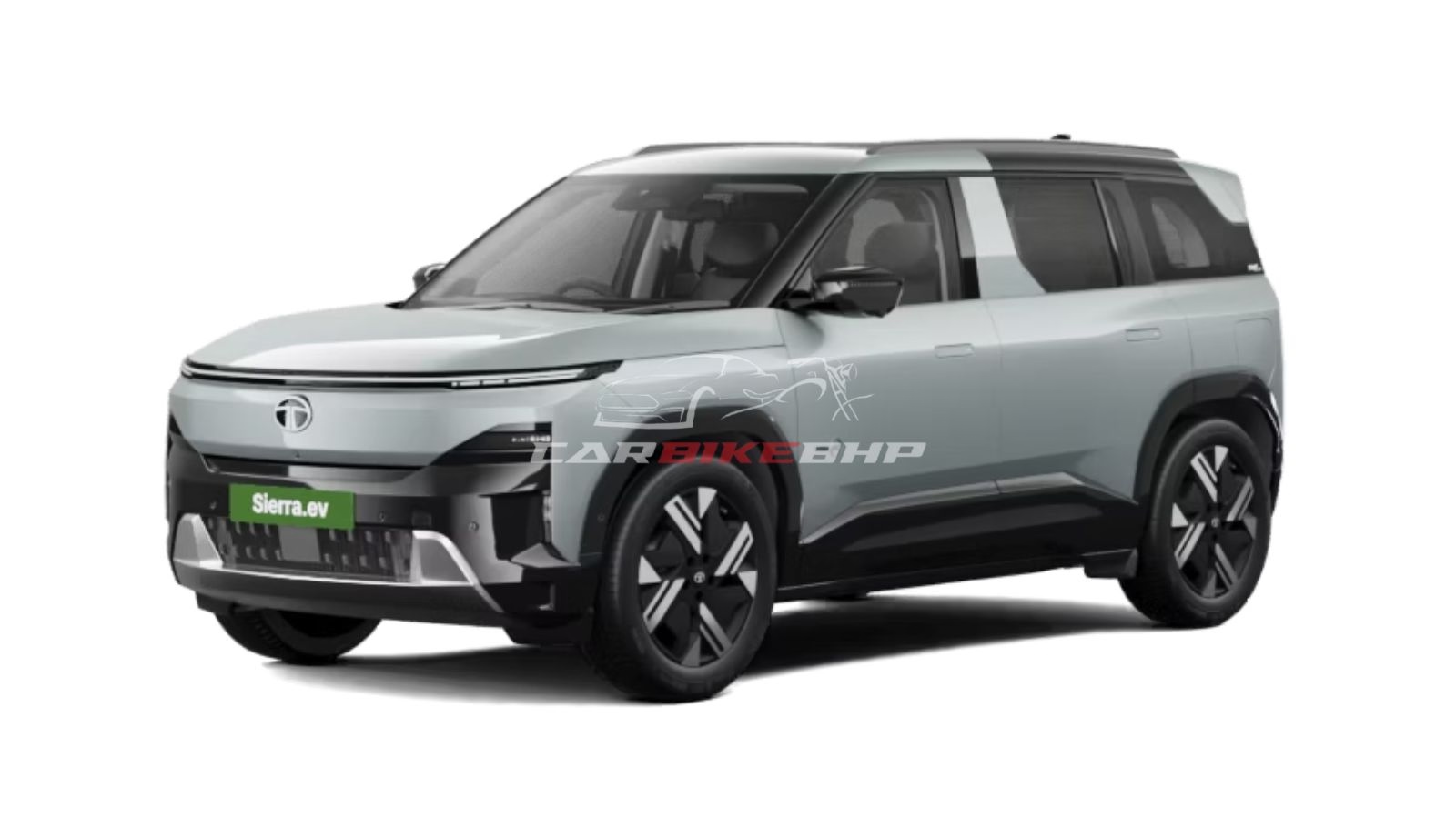
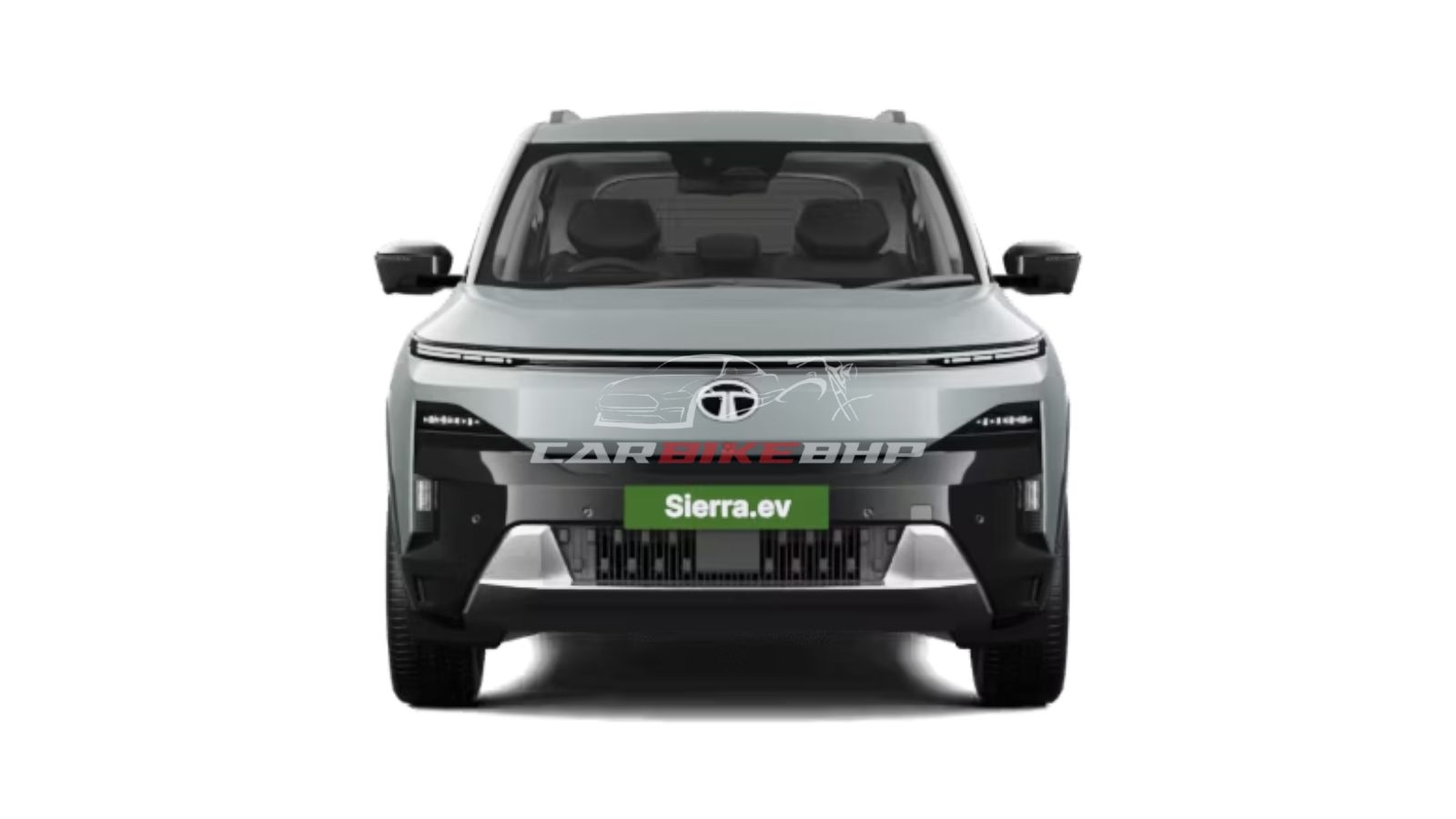
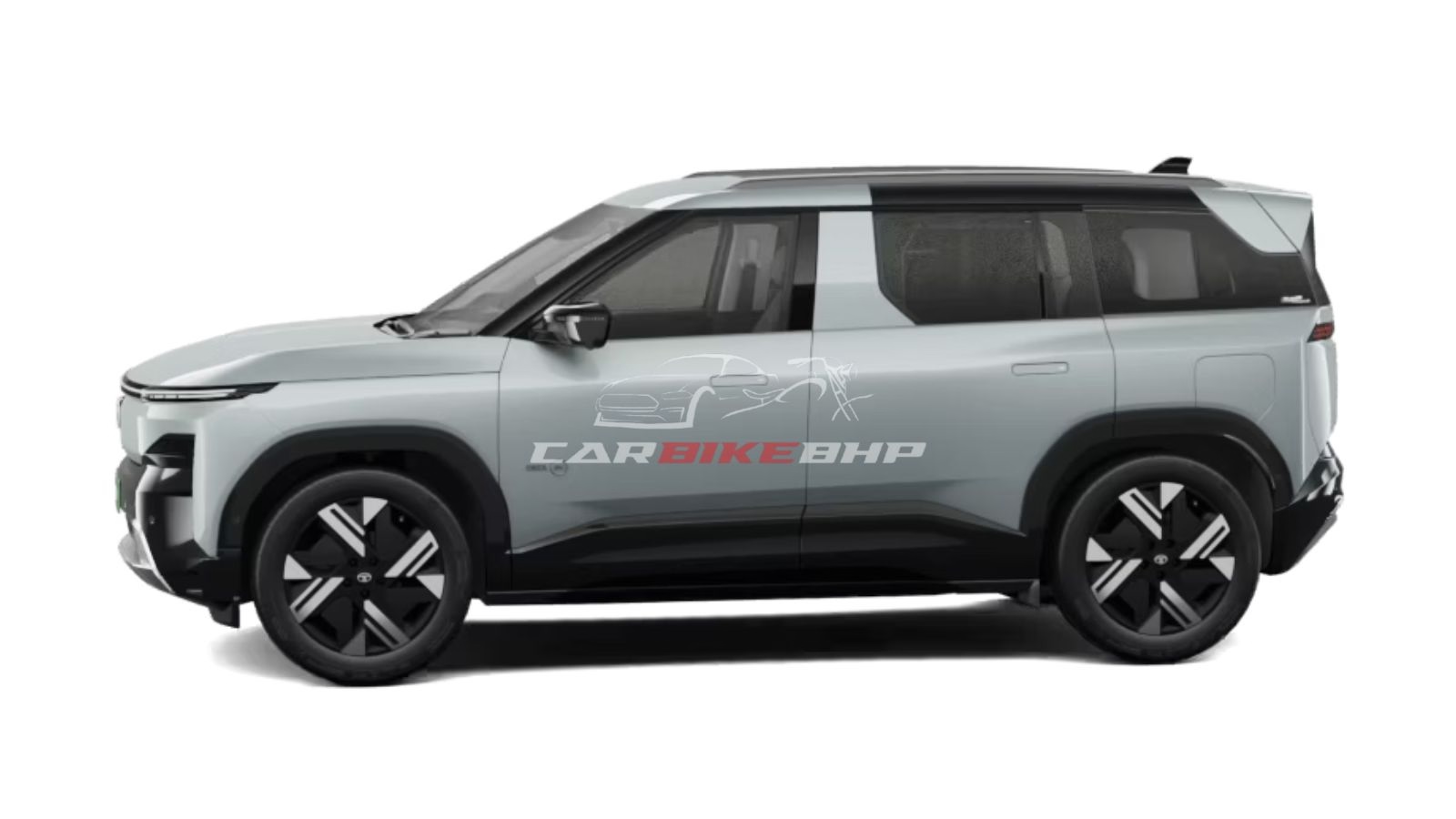
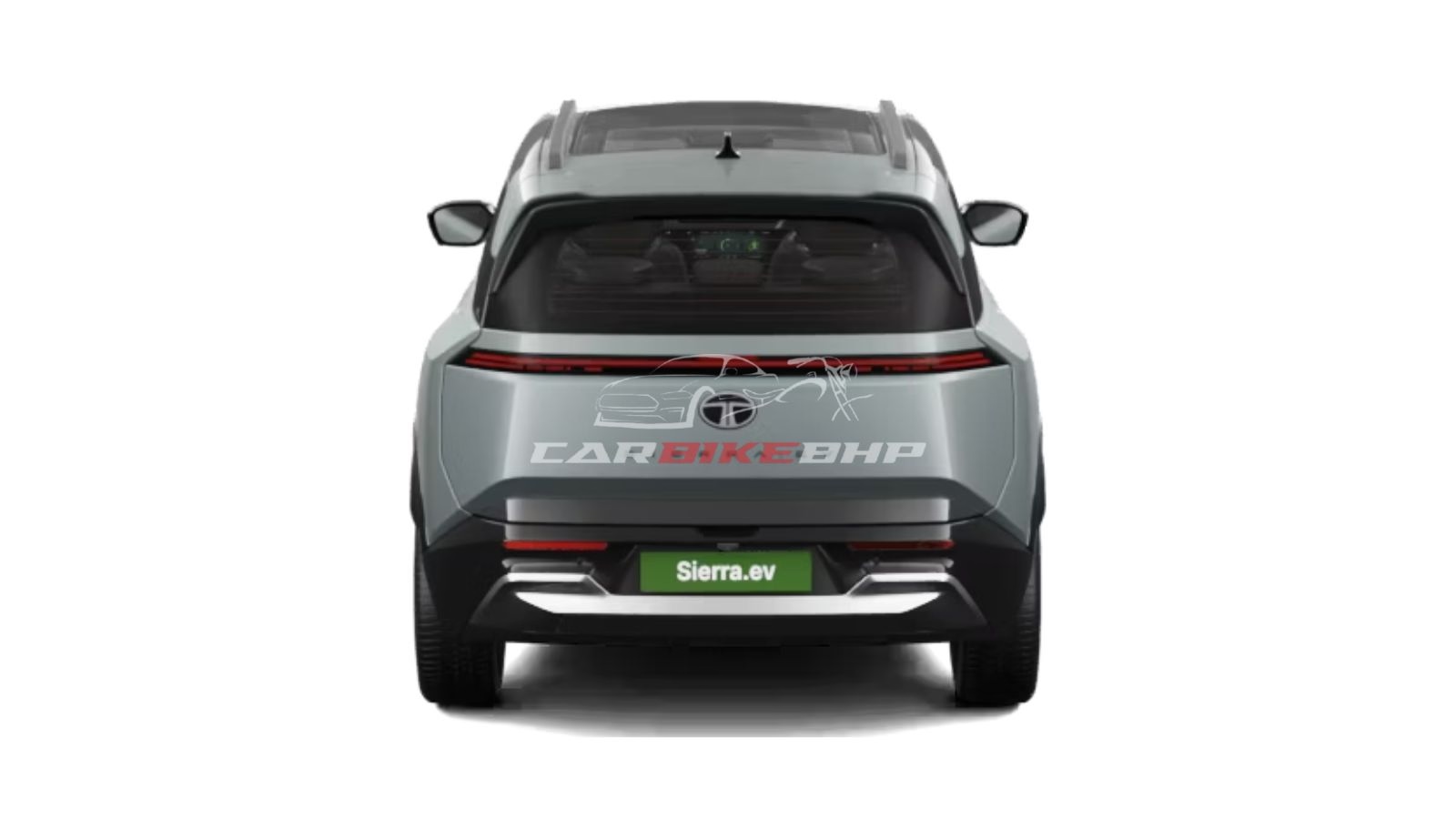
Important note before reading: The Tata Sierra EV has not launched in India at the time of writing (April 2026). This page covers confirmed details, credible expected specifications based on spy shots, platform data and official Tata statements, and a realistic buying analysis. Prices and specs are expected figures and will be updated the moment Tata officially announces them.
The Tata Sierra EV is one of the most anticipated electric vehicles in India — and arguably the most emotionally loaded. The Sierra nameplate already carries enormous baggage from its 1991–2003 run. The ICE Sierra launched in November 2025 and immediately crossed 70,000 bookings on day one. Now Tata is preparing the electric version of the same platform for a launch expected in May 2026, giving buyers who specifically want an electric Sierra a product that combines the iconic boxy design with the zero-emission powertrain.
Tata confirmed in February 2026 that the Sierra EV will arrive in Q2 2026 (April–June 2026), built on the same Gen 2 Acti.ev platform that underpins the Curvv EV and Harrier EV. It will be manufactured at Tata's Sanand facility in Gujarat. Positioned below the Harrier EV in Tata's electric lineup, it sits above the Curvv EV — filling the gap between a ₹22 lakh electric mid-sizer and the Harrier EV's ₹21.49 lakh starting point with a distinctly different body character and the Sierra's unique design language.
Tata Sierra EV Expected Price in India 2026
Based on platform positioning, battery configurations, and Tata's established EV pricing pattern, the Tata Sierra EV price is expected to start between ₹20 lakh and ₹22 lakh (ex-showroom) for the base FWD variant and go up to approximately ₹25–26 lakh for the top AWD (QWD) variant. All figures below are estimated and subject to change at launch.
| Expected Variant |
Battery |
Drivetrain |
Expected Ex-showroom |
| Adventure S |
55 kWh |
FWD (Single Motor) |
~₹20.00 Lakh |
| Accomplished |
55 kWh |
FWD (Single Motor) |
~₹21.50 Lakh |
| Accomplished+ (65 kWh) |
65 kWh |
FWD (Single Motor) |
~₹22.50 Lakh — likely best value |
| Empowered QWD |
65 kWh |
AWD (Dual Motor) |
~₹24.50 Lakh |
| Empowered Stealth QWD |
65 kWh |
AWD (Dual Motor) |
~₹25.50 Lakh |
All prices above are estimates based on platform analysis and competitor benchmarking. Official prices will be announced at launch. This page will be updated immediately upon launch.
Expected Launch Date and What We Know for Certain
| Detail |
Status |
Source |
| Expected launch |
May 2026 / Q1 FY27 |
Tata Motors official statement (Feb 2026) |
| Platform |
Gen 2 Acti.ev — confirmed |
Same as Curvv EV and Harrier EV |
| Manufacturing location |
Sanand, Gujarat — confirmed |
Tata Motors official |
| Body style |
5-door, 5-seater SUV — confirmed |
Concept car and test mule sightings |
| Battery options |
55 kWh and 65 kWh — expected |
Platform analysis (Curvv EV / Harrier EV packs) |
| AWD option |
Expected on top variants — not confirmed |
ARGOS platform AWD-capable; dual motor expected |
| DC fast charging |
Expected — not confirmed |
Standard on Gen 2 Acti.ev platform |
| V2L / V2V |
Expected on higher variants |
Standard on Gen 2 Acti.ev platform |
| 5G connectivity |
Expected — strong likelihood |
Already on ICE Sierra via t.idal 2.0 |
Expected Battery and Motor Specifications
| Specification |
55 kWh FWD (Expected) |
65 kWh FWD (Expected) |
65 kWh QWD (Expected) |
| Battery Capacity |
55 kWh |
65 kWh |
65 kWh |
| Motor Configuration |
Single motor, FWD |
Single motor, FWD |
Dual motor, AWD |
| Expected Power |
~148–165 hp |
~168–180 hp |
~260–300 hp (combined) |
| Expected Claimed Range |
~430–460 km |
~520–550 km |
~490–520 km |
| Expected Real-world Range |
~340–370 km |
~400–440 km |
~380–420 km |
| DC Fast Charge |
Expected — 50–100 kW |
Expected — 100–120 kW |
Expected — 100–120 kW |
| Expected 0–100 kmph |
~9–10 seconds |
~8–9 seconds |
~5.5–6.5 seconds |
All specifications above are based on the Gen 2 Acti.ev platform's known capabilities and the battery configurations used in the Curvv EV and Harrier EV. Official figures will be confirmed at launch.
What the Sierra EV Will Look Like — Confirmed Design Details
Unlike the ICE Sierra which runs on the ARGOS platform, the Sierra EV uses Tata's dedicated Gen 2 Acti.ev electric platform — a ground-up electric architecture, not an ICE car with a battery inserted. This means the Sierra EV is a different vehicle underneath, with a flat battery floor, optimised weight distribution, and potentially independent rear suspension — a setup that the ICE Sierra's platform does not offer.
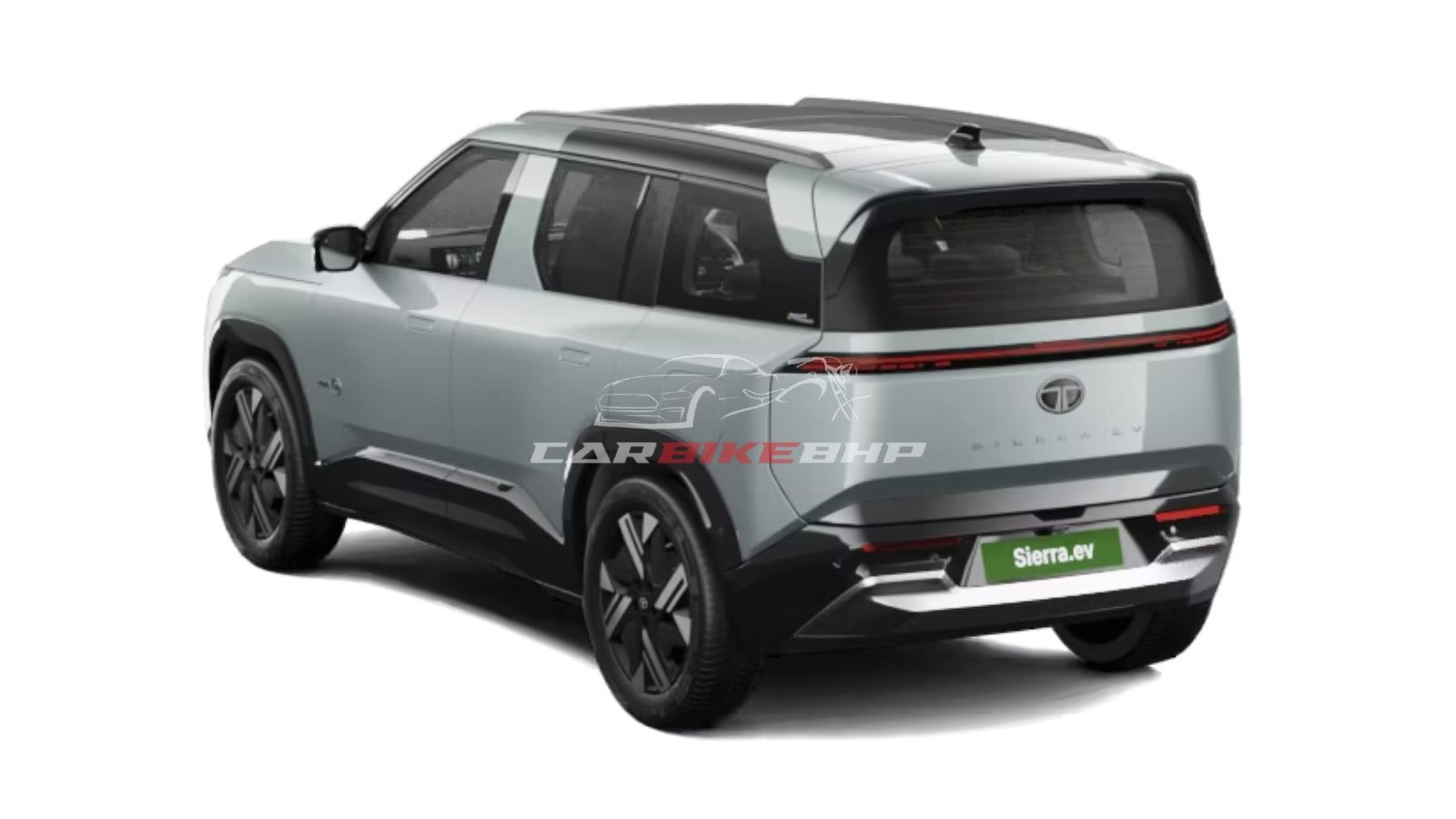
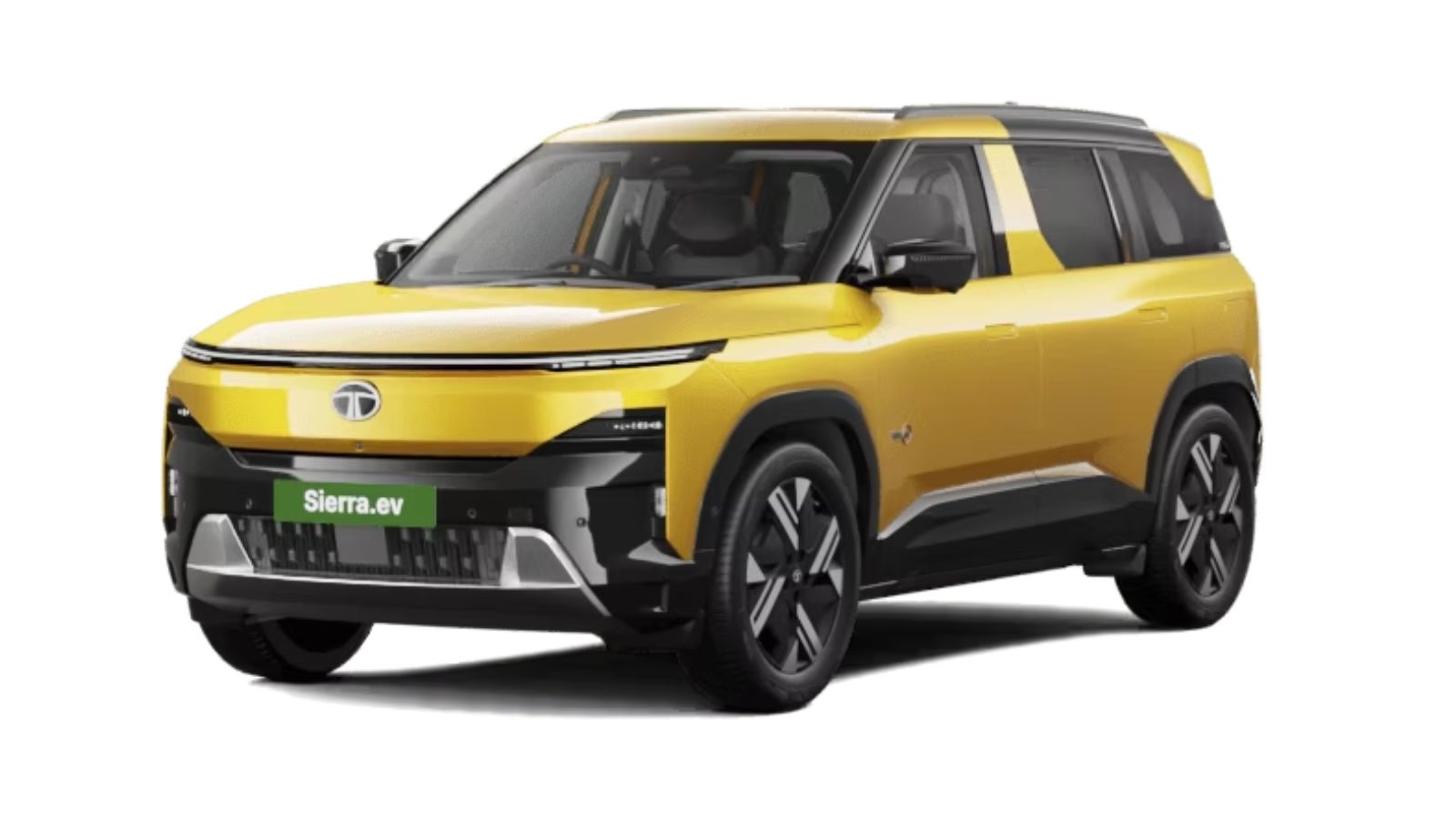
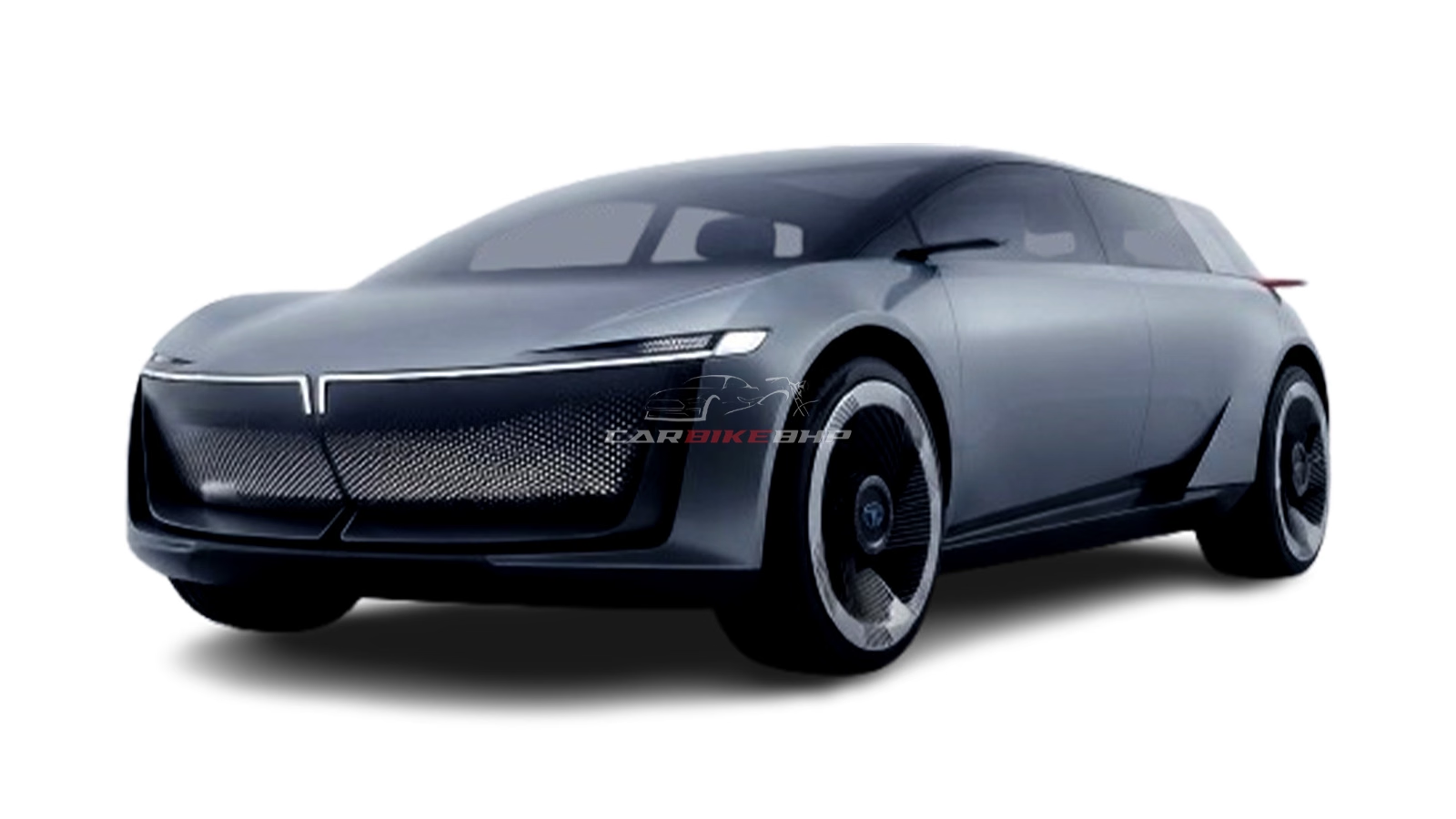
From test mule sightings and the concept car shown at Auto Expo 2023 and 2025, the following design details are confirmed or highly likely:
- Closed-off front grille — no air intake needed for an EV, giving a cleaner, more modern front fascia than the ICE Sierra
- Full-width connected LED light bar front and rear — same design language as the Harrier EV and Curvv EV
- Boxy, upright body — the classic Sierra proportion, retained and slightly modernised for EV aerodynamics
- Blacked-out A-pillar and C-pillar — recreating the visual effect of the original Sierra's iconic alpine rear glass
- Aero-optimised alloy wheels — designed to reduce drag and extend range
- Flush-fitting door handles — carried over from the ICE Sierra
- Short front and rear overhangs — EV platform enables this, improving approach and departure angles
- Wraparound rear glass — the most distinctive styling reference to the original 1991 Sierra
Expected Interior and Features
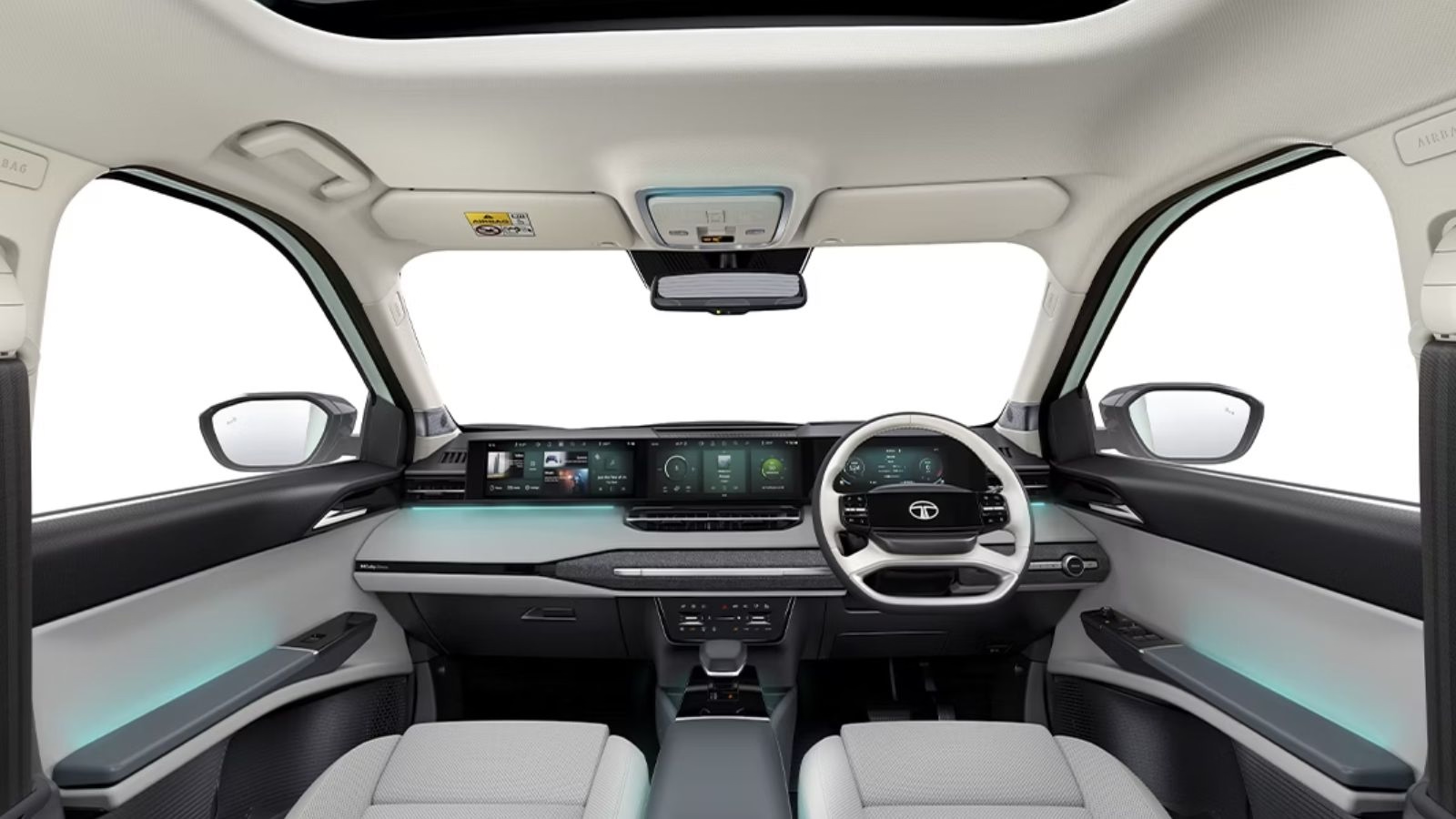
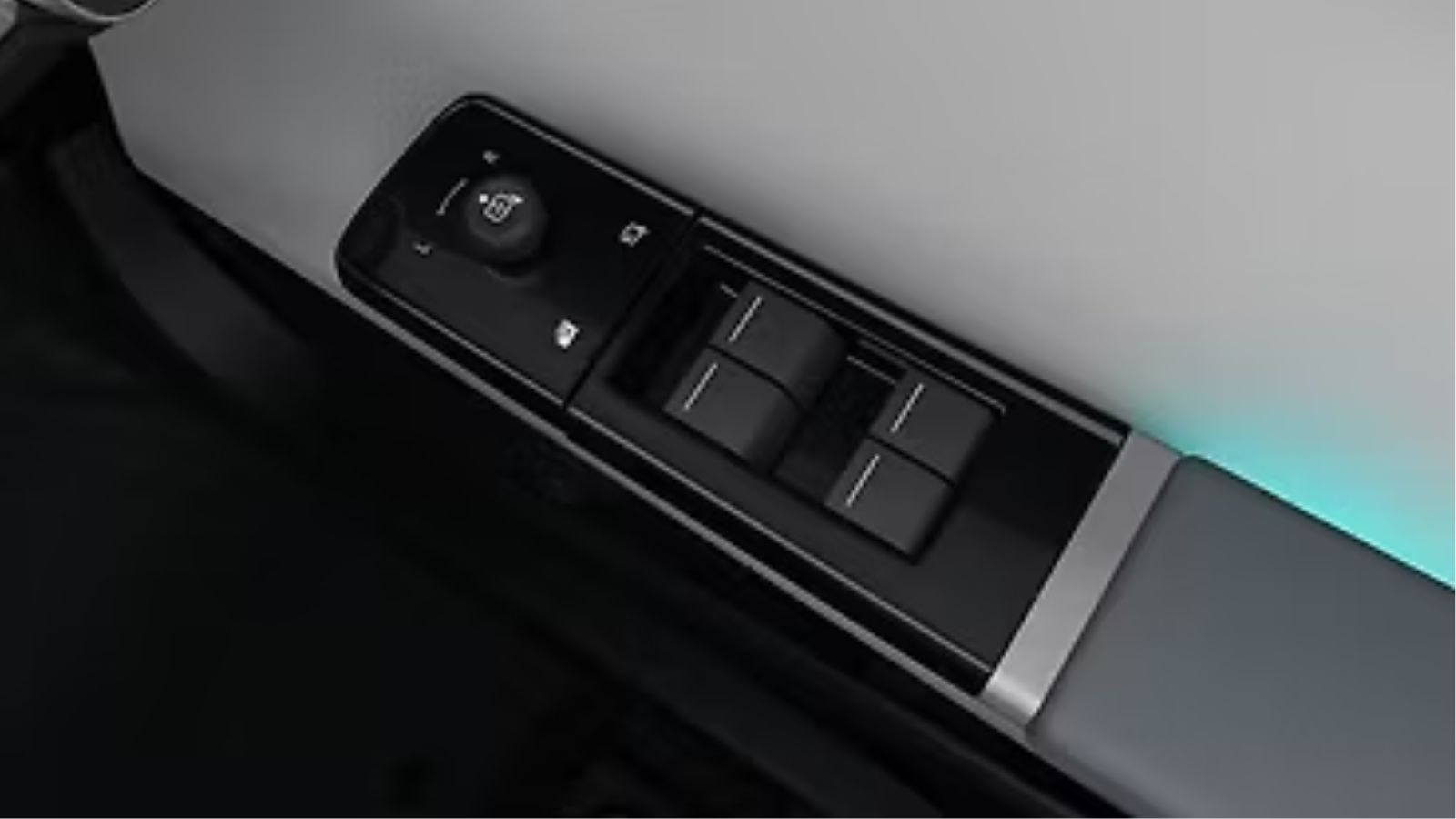
Based on the concept interiors and what Tata has equipped across the Curvv EV, Harrier EV, and ICE Sierra, the Sierra EV is expected to offer:
| Feature |
Likelihood |
Basis |
| Triple screen dashboard |
Very likely on top trims |
Already on ICE Sierra; EV test mule spotted with it |
| Wireless Android Auto and Apple CarPlay |
Confirmed on all variants |
Standard across Tata's EV range |
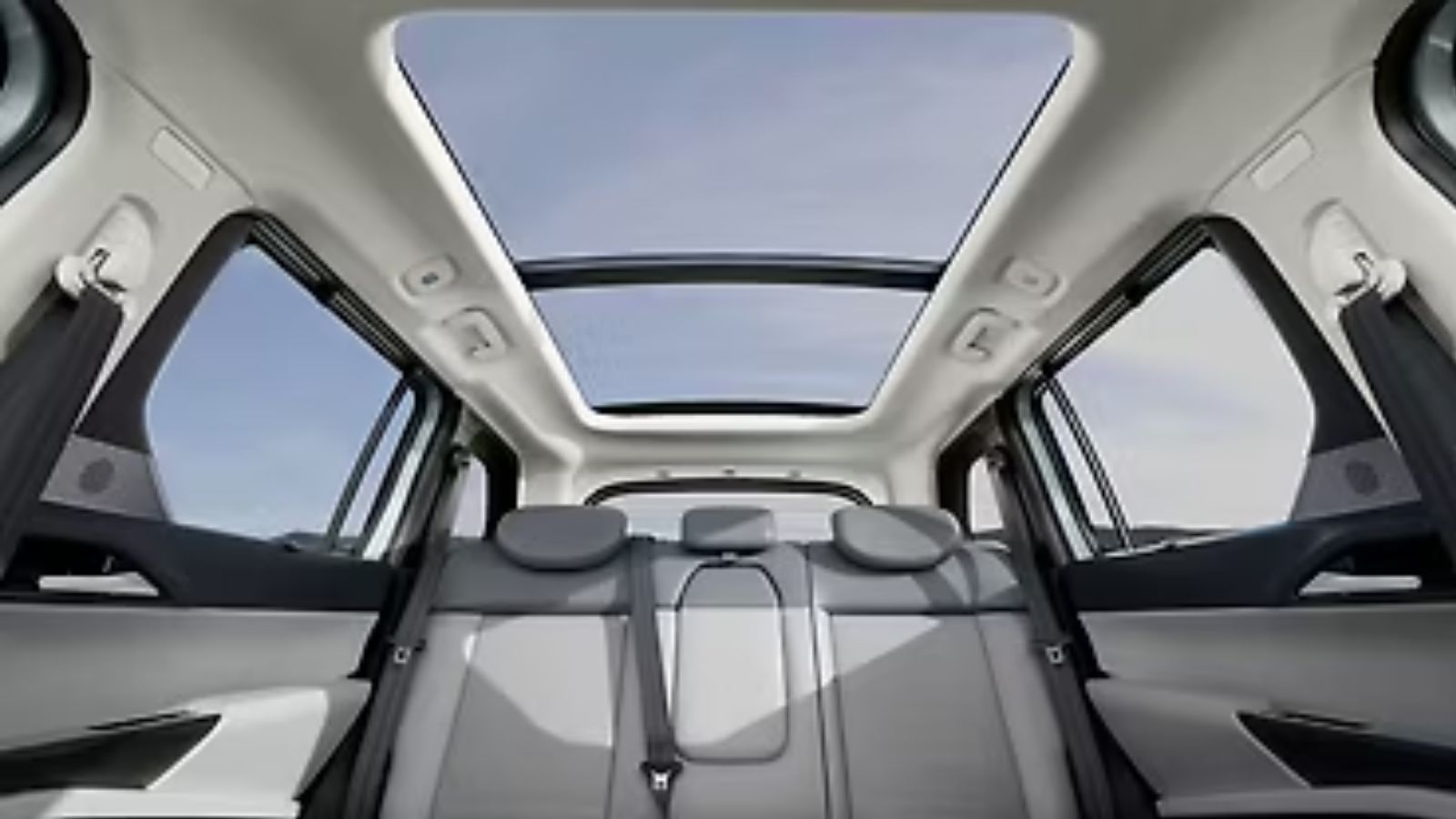
| Panoramic sunroof |
Expected — mid trims upward |
ICE Sierra already has segment-largest sunroof |
| Level 2 ADAS |
Expected — higher variants |
Standard on Gen 2 Acti.ev platform EVs |
| V2L — Vehicle-to-Load |
Expected — mid trims upward |
Standard on Curvv EV and Harrier EV |
| 5G connectivity |
Highly likely — all variants |
ICE Sierra already has 5G; EV platform is more capable |
| JBL audio system |
Expected — top trims |
ICE Sierra Accomplished has 12-speaker JBL |
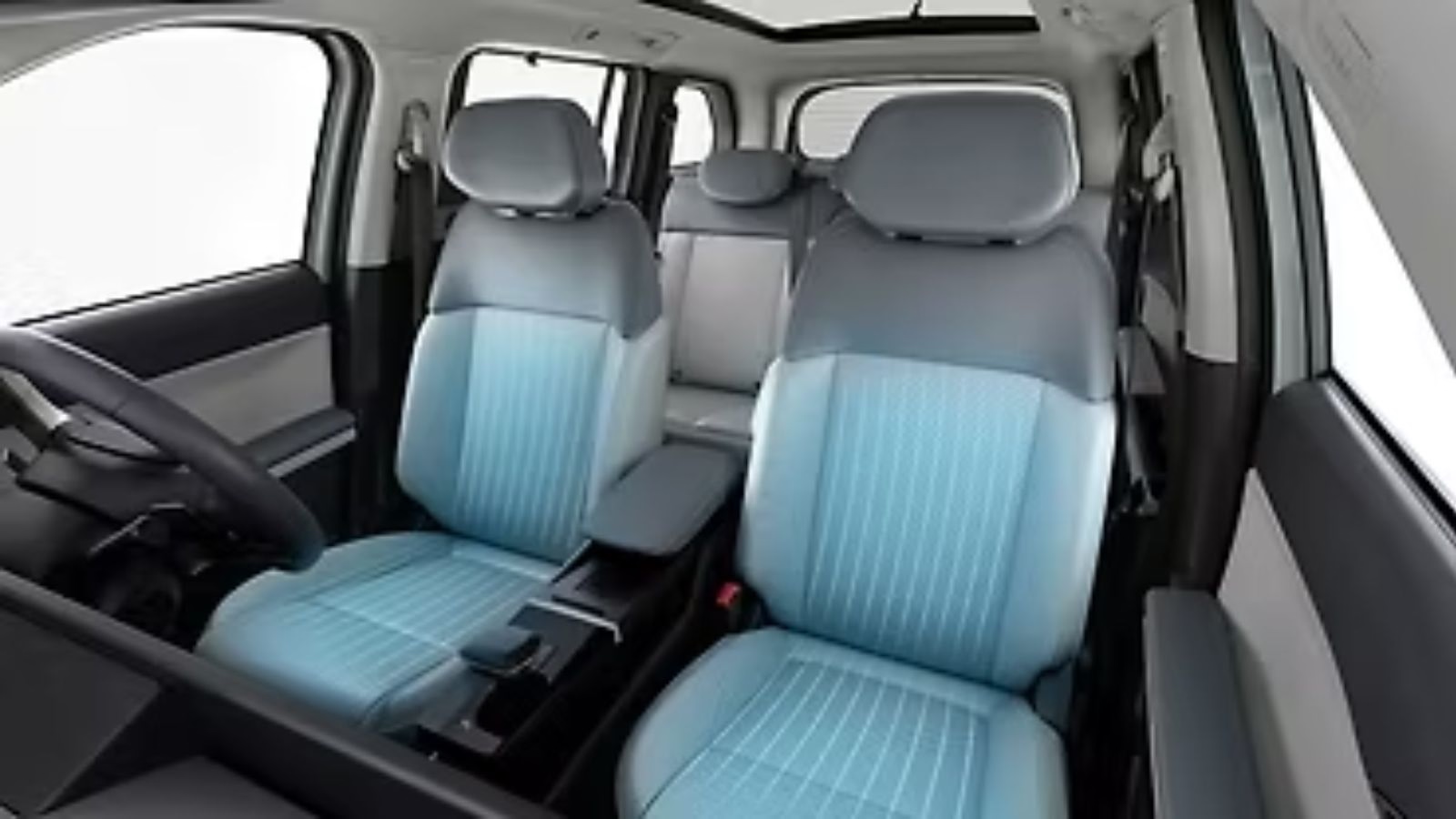
| Ventilated front seats |
Expected — higher variants |
On ICE Sierra Accomplished and above |
| Frunk (front trunk) |
Possible — EV platform allows it |
Curvv EV has 11.6L frunk; Sierra EV may be larger |
| AR HUD |
Likely on top variant |
ICE Sierra Accomplished+ already has AR HUD |
Tata Sierra EV vs Expected Rivals
| Feature |
Sierra EV 65kWh FWD (Expected) |
Hyundai Creta EV Long Range (₹18.99L) |
Mahindra BE 6 Pack Two (₹22.90L) |
Tata Harrier EV Fearless+ 65 (₹25.49L) |
| Battery |
65 kWh (expected) |
51.4 kWh |
59 kWh |
65 kWh |
| Claimed Range |
~520–550 km (expected) |
473 km |
682 km |
538 km |
| Body Style |
Boxy iconic SUV (unique) |
Conventional SUV |
Coupe-SUV |
Conventional SUV |
| Wheelbase |
~2,730mm (expected) |
2,610 mm |
2,775 mm |
~2,741 mm |
| AWD Available |
Yes (top trim, expected) |
No |
Yes |
Yes (QWD) |
| Expected Starting Price |
~₹20 Lakh |
₹17.99 Lakh |
₹18.90 Lakh |
₹21.49 Lakh |
| Service Network |
600+ Tata touchpoints |
1,350+ Hyundai |
~350 Mahindra EV-capable |
600+ Tata touchpoints |
Why the Sierra EV Is Different From the Harrier EV
This is a question many buyers will have — the Sierra EV and Harrier EV appear to overlap in price and positioning. The distinction is meaningful:
- The Harrier EV is built on Tata's OMEGARC platform — a monocoque body adapted from the Land Rover-derived architecture. The Sierra EV uses the Gen 2 Acti.ev — a ground-up electric platform purpose-built for EVs with a flat battery floor and different weight distribution.
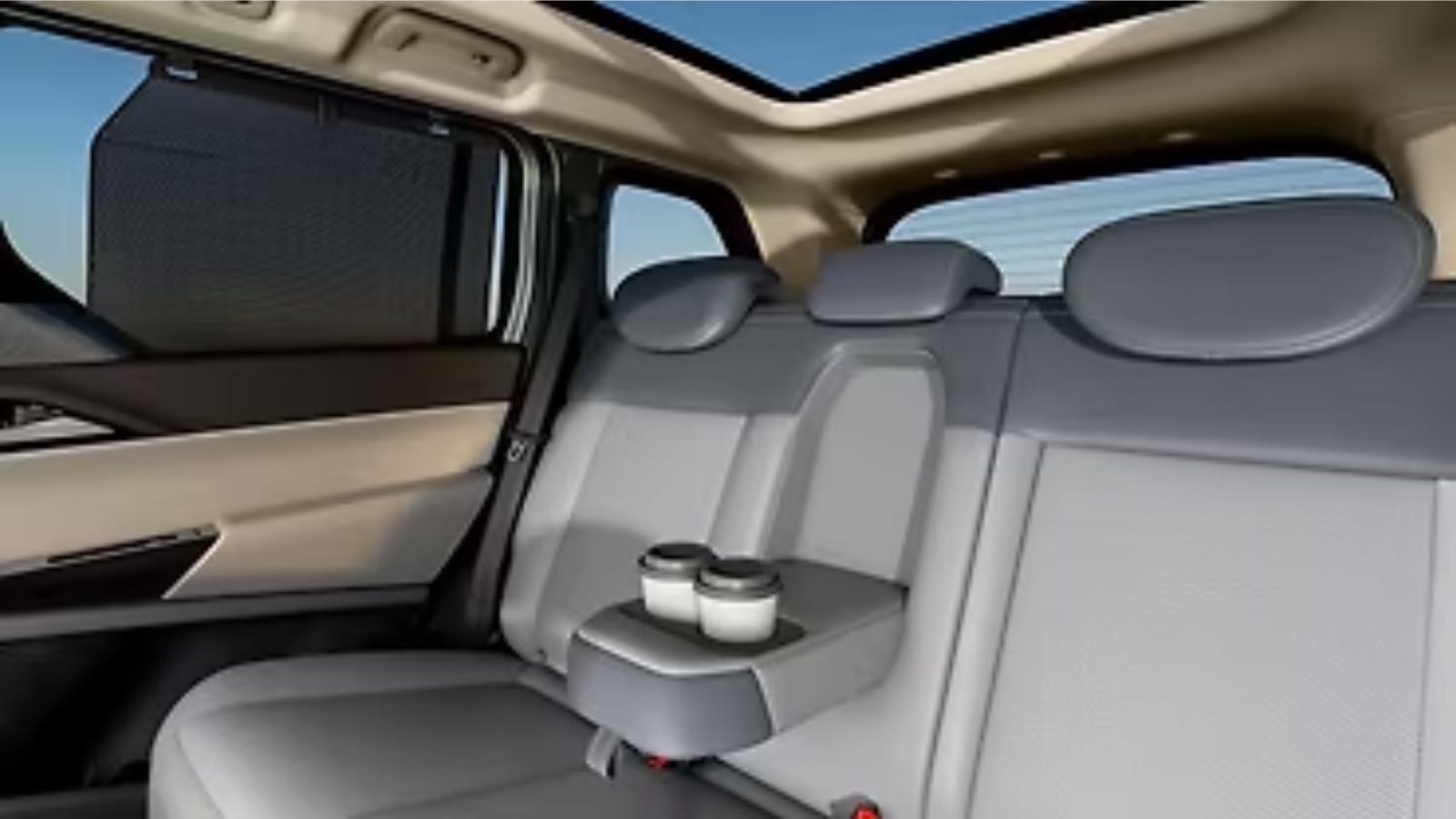
- The Sierra EV's wheelbase on the Acti.ev platform is expected to deliver better rear legroom packaging than the Harrier EV, due to the flat floor — no transmission tunnel, no raised driveshaft. This is particularly relevant for middle-row centre passenger comfort.
- The Harrier EV has a conventional mid-size SUV silhouette. The Sierra EV has the distinctive squared-off, boxy design with the wraparound rear glass — buyers choosing between these two are making a lifestyle choice as much as a practical one.
- The Harrier EV is available now. The Sierra EV is expected in May 2026 — a practical consideration for buyers who need a car today.
Should You Wait for the Tata Sierra EV?
Wait for the Sierra EV if: you are drawn to the Sierra's unique design and specifically want an electric version of that aesthetic. If the boxy, iconic profile with wraparound rear glass is what you want — and you want it electric — there is no other car on the Indian market that delivers this combination. No other electric SUV in India looks remotely like the Sierra. Also wait if you need AWD capability on an EV — the Sierra EV's QWD top variant is expected to offer this at a price below the Harrier EV QWD.
Do not wait for the Sierra EV if: you need a car in April or May 2026 and cannot afford to delay. The Sierra EV has been expected "soon" for several months and Indian launch timelines can move. If you have a functional need today, the Tata Curvv EV at ₹17.49 lakh or the Tata Harrier EV from ₹21.49 lakh are real products you can buy, drive, and service right now.
Consider the Mahindra BE 6 over the Sierra EV if performance (0–100 in 5.1 seconds), maximum range (682 km claimed), and 175 kW ultra-fast charging are your priority criteria. The BE 6 is available now, has been tested, and has real owner feedback available. The Sierra EV is untested at the time of writing.
This page covers the Tata Sierra EV as an upcoming model. All specifications, prices and variant details will be confirmed and updated at launch. Expected launch: May 2026. Bookmark this page or check back for real pricing, specifications and our full review after the launch event.